
Spring Plumbing Checklist Every Homeowner Should Follow
Spring in the High Desert brings warmer days, melting snow runoff from the San Gabriel Mountains, and a fresh chance to catch plumbing problems before summer hits. Winter freezes in Phelan, Wrightwood, and Pinon Hills stress pipes, fittings, and water heaters in ways that often stay hidden until the weather warms. A spring plumbing checklist gives homeowners a clear path to inspect every fixture, line, and appliance in the home. Rescue Plumbers Inc has served Victorville, Hesperia, Apple Valley, and surrounding areas for 15 years, and spring is our busiest season for preventative work. This guide walks through the exact steps to protect your home, lower your water bills, and avoid emergency calls later in the year. Follow each section carefully, and your plumbing system will run smoothly through spring and into the hot summer months.
Essential Spring Plumbing Checklist Tasks for Indoor Fixtures
Indoor fixtures take the heaviest daily use in any home, and spring is the right time to check every one. Faucets, toilets, showers, and under-sink connections all develop small leaks over winter that waste water and damage cabinets. A careful walkthrough of each room catches these issues while they are cheap to fix. The goal of this spring plumbing checklist is to find problems before they turn into floods or mold. Homeowners in Adelanto and Oak Hills often tell us they wish they had checked sooner. Set aside an afternoon, grab a flashlight, and work through every bathroom, kitchen, and laundry area in the house.
A Complete Indoor Fixture Spring Plumbing Checklist for Bathrooms
Bathrooms hold the highest concentration of plumbing connections in most homes, which makes them the starting point for any spring plumbing checklist. Start at the toilet and press down on the handle to confirm a full flush and complete refill. Listen for any hissing or running sounds after the tank fills; a silent toilet is a healthy toilet. Add a few drops of food coloring to the tank, wait ten minutes, and check the bowl for color bleed, which signals a failing flapper. Inspect the shutoff valve behind the toilet for corrosion, mineral buildup, or dampness at the connection point. Replace flexible supply lines older than five years because they weaken and burst without warning.
Move to the sink and turn both handles through their full range, watching for drips from the spout or base. Check under the counter for water stains, warped wood, or active drips at the P-trap and supply line connections. Remove the aerator from the faucet tip and rinse out any sediment that collected over winter. Hard water in the High Desert leaves calcium deposits that slow flow and strain the faucet internals. Tighten any loose mounting nuts under the sink, but do not overtighten plastic fittings. A small leak now becomes a cabinet replacement later, so fix every drip you find.
Finish the bathroom by testing the shower and tub. Run the shower for three full minutes and watch the drain for slow water, which points to a developing clog in the branch line. Check the caulking around the tub base and shower surround for cracks or gaps that let water seep into the subfloor. Inspect the shower head for mineral buildup and soak it in vinegar overnight if spray patterns look uneven. If you notice persistent slow drainage, low pressure, or fixtures nearing the end of their service life, click here for our faucet repair services and we will handle it same day. Bathrooms are where hidden leaks cause the most damage, so be thorough.
The Kitchen Spring Plumbing Checklist Every Homeowner Needs
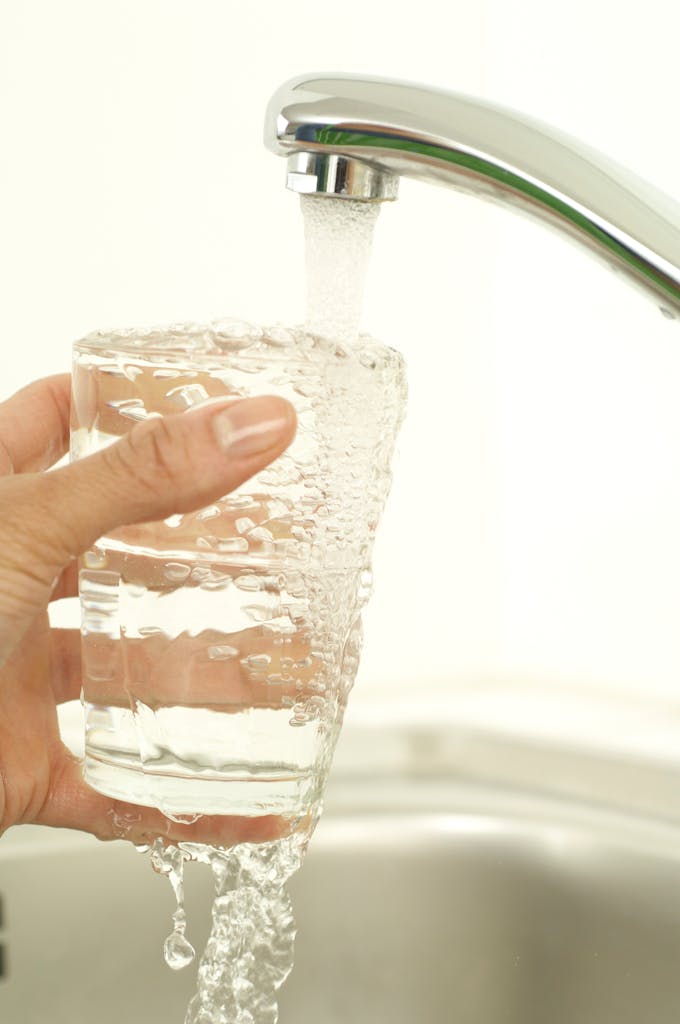
The kitchen sink, dishwasher, and garbage disposal all tie into the same drain line, which means one weak point affects everything. Begin your kitchen spring plumbing checklist by running hot water for two minutes and watching the drain speed. Slow draining in spring means grease and food debris built up over winter holiday cooking. Pour a mixture of baking soda and hot water down the drain, then flush with more hot water to break up light buildup. For heavier clogs, skip chemical drain cleaners because they damage pipes and rarely clear the actual blockage. A professional hydro jetting service clears the full line without harming your plumbing.
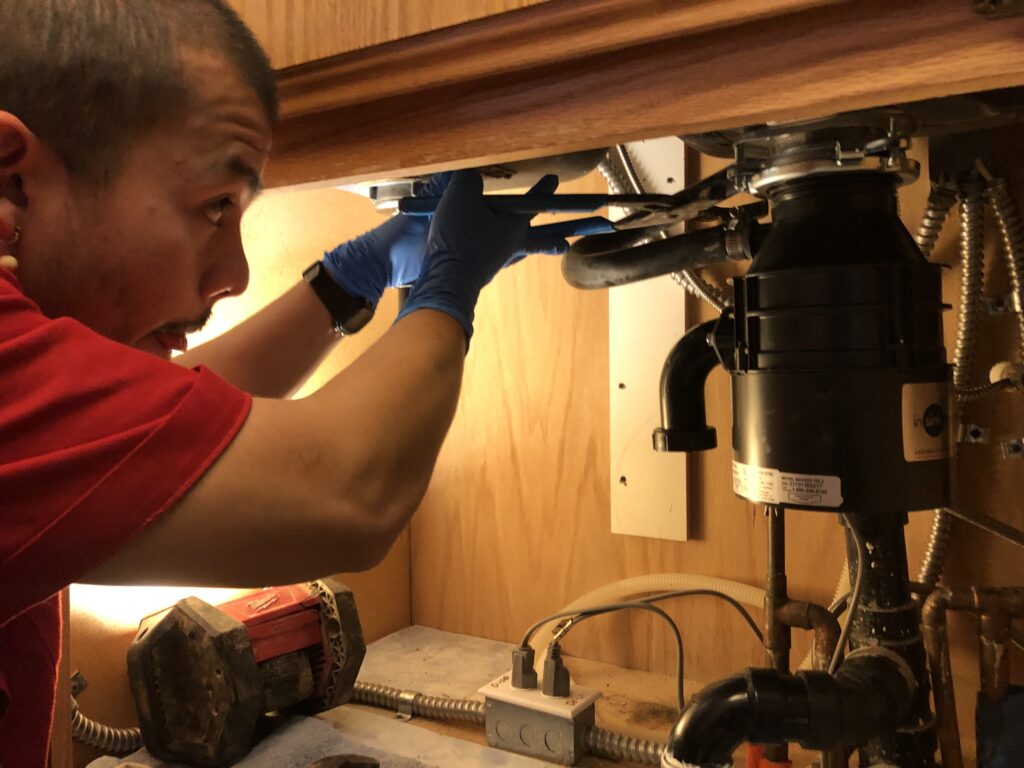
Check the garbage disposal by running cold water and turning the unit on for fifteen seconds with nothing in it. Listen for grinding, humming, or rattling sounds that signal worn bearings or a stuck flywheel. Inspect under the sink for drips around the disposal mounting ring, the dishwasher drain hose, and the main drain connection. Replace any corroded metal supply lines with braided stainless steel versions rated for hot water. Tighten the dishwasher air gap if you see water pooling at the countertop fitting. Disposals that hum without spinning need immediate attention because the motor burns out quickly.
Examine the refrigerator water line if your fridge has an ice maker or water dispenser. These quarter-inch lines often run through cabinets and walls, and they fail at the compression fittings more than anywhere else. Pull the fridge out slightly and feel behind it for dampness, warped flooring, or a musty smell. Replace old copper or plastic lines with braided stainless steel for long-term reliability. Run the ice maker and water dispenser to confirm normal pressure and clear taste. A slow refrigerator leak behind the unit can destroy hardwood floors before you ever see standing water.
A Laundry Room Spring Plumbing Checklist for Washing Machine Safety
Washing machine supply hoses cause more insurance claims than almost any other plumbing failure in American homes. Your laundry room spring plumbing checklist starts with pulling the washer forward and inspecting both hot and cold hoses. Look for bulges, cracks, rust at the couplings, or any discoloration along the rubber. Replace standard black rubber hoses with braided stainless steel versions that carry a five-year minimum service life. Turn the shutoff valves fully off and then back on to make sure they still operate; frozen valves are a sign of corrosion. Every hose older than five years should be replaced regardless of how it looks.
Check the drain standpipe where the washer discharge hose empties. The standpipe should be at least thirty inches tall and vented properly, and the discharge hose should sit loosely inside without being sealed. Run a full wash cycle and watch for backups, slow drainage, or water escaping the standpipe. Lint, detergent residue, and fabric softener build up inside these lines over the winter and restrict flow. Clean the lint filter on the washer itself if your model has one, and check the dryer vent while you are back there. A slow laundry drain is an early warning that the branch line needs professional attention.
Inspect the floor around and under the washer for any signs of past or current leaks. Warped baseboards, peeling paint, or a musty odor all point to moisture problems. Install a washing machine drain pan under the unit if one is not already in place, and connect it to a floor drain when possible. Consider adding an automatic shutoff valve that detects leaks and closes the water supply before major damage occurs. These devices cost less than a single insurance deductible and protect your home around the clock. For anything beyond your comfort level, click here for our laundry plumbing services and we will handle the replacement.
Outdoor Spring Plumbing Checklist Items for Your Home Exterior
Outdoor plumbing takes the worst of the winter weather and often shows damage only after the first warm week. Hose bibs, irrigation lines, sewer cleanouts, and exterior drains all need inspection before summer water use ramps up. The High Desert climate swings from freezing nights to hot days, which stresses every fitting and seal outside the home. A proper outdoor spring plumbing checklist prevents hidden leaks that drive up water bills and damage foundations. Start at the front of the house and work your way around, checking every visible fixture and line. Spring inspections catch freeze damage before irrigation season begins.
The Exterior Spring Plumbing Checklist for Hose Bibs and Spigots
Hose bibs are the most common freeze-damage point on any home in Phelan, Wrightwood, or Pinon Hills. Start this part of the spring plumbing checklist by turning on each exterior spigot and watching the flow carefully. Strong, steady water flow means the line is intact; a weak stream or no flow at all points to a cracked pipe inside the wall. Feel around the spigot and the interior wall behind it for dampness, which confirms a hidden leak. Listen for hissing sounds inside the house when the spigot is open, because that sound travels along damaged pipes. Frost-free hose bibs still fail when a hose is left attached through a freeze, so inspect them too.
Check the spigot handle and packing nut for drips when the water is running. A small drip at the handle usually means the packing needs tightening or the washer needs replacement. Look at the connection point where the spigot meets the siding for caulking gaps or corrosion at the threads. Replace any spigot that drips continuously, turns with difficulty, or shows green corrosion on brass fittings. Install a frost-free hose bib if you still have standard valves, because they add real freeze protection. The extra cost pays for itself the first winter you avoid a burst pipe.
Test your garden hoses before you connect them for the season. Stretch each hose out, turn the water on, and walk the full length watching for splits, pinholes, or weak spots near the couplings. Replace damaged hoses rather than patching them, because patches always fail at the worst time. Check hose timers and splitters for cracked housings from winter sun exposure. Store hoses away from direct sunlight when not in use to extend their service life. A good hose and a working spigot make every outdoor chore easier all summer long.
A Sewer and Drain Spring Plumbing Checklist for Outdoor Lines
Main sewer lines run from the house to the street or septic system, and spring is the right time to check them. Tree roots grow most aggressively in spring when soil warms and moisture is high, which makes sewer line inspections especially valuable now. Walk the yard and look for soft spots, unusually green patches of grass, or areas where the ground has sunken. These signs point to a leak or break in the underground sewer line. Notice any sewage smell outside the house, especially near cleanouts or where the line runs under the yard. Slow drains throughout the house at the same time are another strong warning sign.
Locate the main sewer cleanout, which is usually a capped pipe sticking out of the ground near the house. Remove the cap carefully and look inside for standing water, which means the line is blocked somewhere between the cleanout and the street. A camera inspection gives the clearest picture of what is happening inside the line. We run a camera through the full length of the pipe and show you exactly what we find on video. Click here for our sewer line inspection services and we will bring the equipment to your home. Early detection of root intrusion or pipe damage saves thousands in repair costs later.
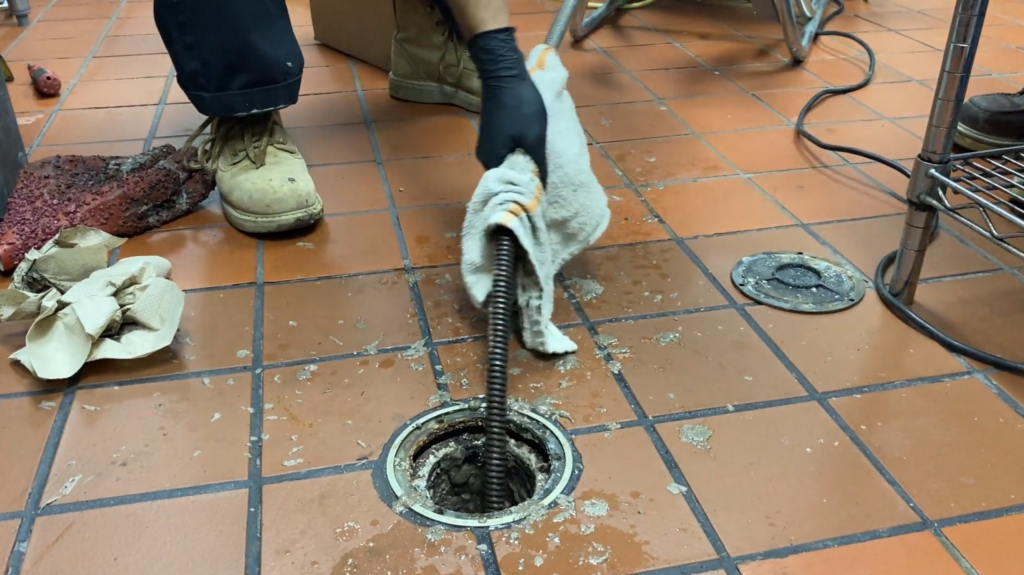
Check outdoor drains, including driveway drains, patio drains, and pool deck drains. Remove grates and clear out leaves, gravel, and debris that collected over winter. Run a garden hose into each drain and watch for proper flow; slow drainage means the line is clogged underground. Pour water down area drains and listen for gurgling or backing up, both signs of a blockage. Clean catch basins at the bottom of downspouts so spring rains flow away from the foundation. Proper outdoor drainage protects the foundation and keeps water out of crawl spaces and basements.
Why You Need Professional Help with Your Spring Plumbing Checklist
A homeowner can handle many items on a spring plumbing checklist, but some problems require professional tools, experience, and licensing. Hidden leaks, sewer line damage, water heater issues, and gas line inspections all fall outside the scope of most DIY work. Rescue Plumbers Inc brings 15 years of High Desert plumbing experience to every service call. We are licensed, insured, family-owned, and proudly non-commission based, which means our technicians recommend what you actually need. Call (760) 241-3100 for a free, no-obligation estimate on any spring plumbing work.
Why You Need a Professional Spring Plumbing Checklist Water Heater Inspection
Water heaters work hard all winter and often show wear only after the weather warms. Sediment builds up in the tank, anode rods corrode, and pressure relief valves stick from lack of use. A professional water heater inspection flushes the tank, tests every safety component, and extends the life of the unit by years. Most tank water heaters last eight to twelve years, and skipping annual service cuts that lifespan nearly in half. The cost of an inspection is far less than emergency replacement on a cold morning.
A technician checks the anode rod, which sacrifices itself to protect the steel tank from corrosion. A spent anode rod means the tank interior is next, and that leads to leaks through the bottom of the unit. We also test the temperature and pressure relief valve, which must open if internal pressure climbs too high. A stuck valve turns the water heater into a serious safety risk. Flushing the tank removes sediment that reduces efficiency and causes the heating element to work harder than it should. Click here for our water heater inspection services and we will handle the full annual service.
Tankless water heaters need their own spring service, including descaling, filter cleaning, and combustion checks. Hard water in the High Desert scales up tankless units quickly, and scale drops efficiency fast. We descale with a circulation pump and food-grade solution that dissolves mineral buildup without harming the unit. We also inspect the venting, gas supply, and electrical connections for any issues. A properly maintained tankless unit lasts twenty years or more. Skip the service and you cut that number in half.
A Spring Plumbing Checklist Leak Detection Service You Can Trust
Hidden leaks waste thousands of gallons of water every year and rarely show themselves until real damage occurs. Professional leak detection uses acoustic sensors, thermal imaging, and pressure testing to find leaks inside walls, under slabs, and in underground lines. A typical home with a hidden leak shows higher water bills, warm spots on floors, or a water meter that moves when no fixtures are running. These clues warrant a professional investigation before the problem grows.
Slab leaks are particularly dangerous because the water undermines the foundation and damages flooring from below. Our leak detection equipment locates the exact source without tearing up the entire slab. We pinpoint the leak, explain the repair options clearly, and handle the fix from start to finish. A small slab leak caught early costs a fraction of a full foundation repair. Click here for our leak detection services and we will find the source fast.
Pressure testing the whole home catches leaks that other methods miss. We isolate the water system and monitor pressure over time, which reveals even small losses anywhere in the pipes. This approach works especially well on older homes with galvanized or polybutylene piping. Finding leaks before they fail fully saves money, protects the home, and gives real peace of mind. Spring is the ideal time for this service because damage from winter often shows up now.
Why Choose Rescue Plumbers Inc for Your Spring Plumbing Checklist
Rescue Plumbers Inc has served the High Desert for 15 years with honest work and fair pricing. We are family-owned and operated, which means every customer interaction reflects our name and reputation. Our technicians are not paid on commission, so you will never hear a pushy upsell or an invented problem. We provide free, no-obligation estimates on every job, and we stand behind our work with real guarantees. Local families in Adelanto, Apple Valley, Victorville, and Hesperia trust us because we show up when we say we will.
Every technician on our team is fully licensed and insured, which protects your home and your investment. We carry the credentials, the training, and the tools to handle any plumbing issue from a simple faucet repair to a full repipe. Our trucks are stocked for same-day service on most common repairs. We serve Adelanto, Apple Valley, Barstow, Helendale, Hesperia, Lucerne Valley, Mariana Ranchos, Oak Hills, Oro Grande, Phelan, Pinon Hills, Spring Valley Lake, Victorville, and Wrightwood.
Call (760) 241-3100 today or email fixit@rescueplumbersinc.com to schedule your spring plumbing checklist service. We answer the phone, we listen to your concerns, and we treat every home like our own. Real human connection and truly local service set us apart from the big chains and referral services. Spring is the best time to catch problems early, and our team is ready to help. Let us take care of your plumbing so you can enjoy the season.