How Hydro Jetting Clears The Toughest Drain Clogs
Hydro jetting is one of the most powerful drain cleaning methods available to homeowners and business owners today. This service uses pressurized water to blast through grease, sludge, tree roots, and mineral buildup that traditional snaking simply cannot handle. When a drain refuses to clear after multiple attempts with a standard auger, hydro jetting often becomes the solution that finally restores full flow. The process is safe for most plumbing systems, environmentally friendly, and incredibly effective at restoring pipes to near-original condition. At Rescue Plumbers Inc, we use professional grade hydro jetting equipment to tackle the worst clogs in homes and businesses across the High Desert. Understanding how this service works helps property owners make smart decisions about their plumbing maintenance. Spring and early summer are ideal times to schedule this service before heavy household use puts extra strain on drain lines.
How Hydro Jetting Works To Clear Stubborn Drain Clogs
Hydro jetting works by sending water through a specialized nozzle at pressures ranging from 1,500 to 4,000 PSI. The high pressure stream cuts through buildup along pipe walls while simultaneously flushing debris downstream toward the main sewer line. Unlike a drain snake that punches a small hole through a clog, hydro jetting scours the entire interior of the pipe. This means grease, soap scum, hair, food particles, and even invasive tree roots get washed away completely. A plumber inserts the hose into a cleanout access point and feeds it through the system while the pressurized water does the heavy work. The result is a pipe that flows like new and resists future clogs for far longer than other cleaning methods.
The Hydro Jetting Process For Tough Drain Clogs
The hydro jetting process begins with a thorough inspection of your plumbing system to identify the location and severity of the clog. A licensed plumber typically runs a camera through the line first to confirm pipe condition and pinpoint the blockage. This camera inspection also rules out cracked pipes, collapsed sections, or other damage that could be made worse by high pressure water. Once the system is cleared for jetting, the plumber selects the right nozzle for the job based on pipe diameter, material, and the type of blockage present. Different nozzles handle different problems, with some designed for grease, others for roots, and others for general sediment removal. The setup phase is critical because using the wrong pressure or nozzle can cause damage to weaker pipes.
After setup, the plumber feeds the hose into the pipe through an accessible cleanout port and activates the pressurized water system. The nozzle has forward jets that cut through the clog and rear jets that propel the hose deeper into the line while also flushing debris back toward the access point. As the hose moves through the pipe, the water blasts loose every bit of buildup clinging to the interior walls. Grease that has hardened over years melts away under the force of the stream, while solid debris breaks apart and washes downstream. Tree roots that have invaded through joints get sliced and pulled free, restoring full pipe diameter. The plumber controls the speed and depth carefully to ensure thorough cleaning without missing any section of the line.
Once the jetting is complete, the plumber often runs the camera through the pipe a second time to verify the results. This final inspection confirms that the clog is gone, the pipe walls are clean, and no damage has occurred during the process. A clean pipe shows up clearly on camera with smooth walls and unrestricted flow throughout the entire length. Any remaining issues like cracks or offset joints become visible at this stage and can be addressed with follow up repairs if needed. Many homeowners are surprised at how dramatic the before and after footage looks when years of buildup are removed in a single appointment. This documentation also gives property owners peace of mind that their plumbing system is in good working order.
Tough Drain Clogs That Hydro Jetting Handles Best
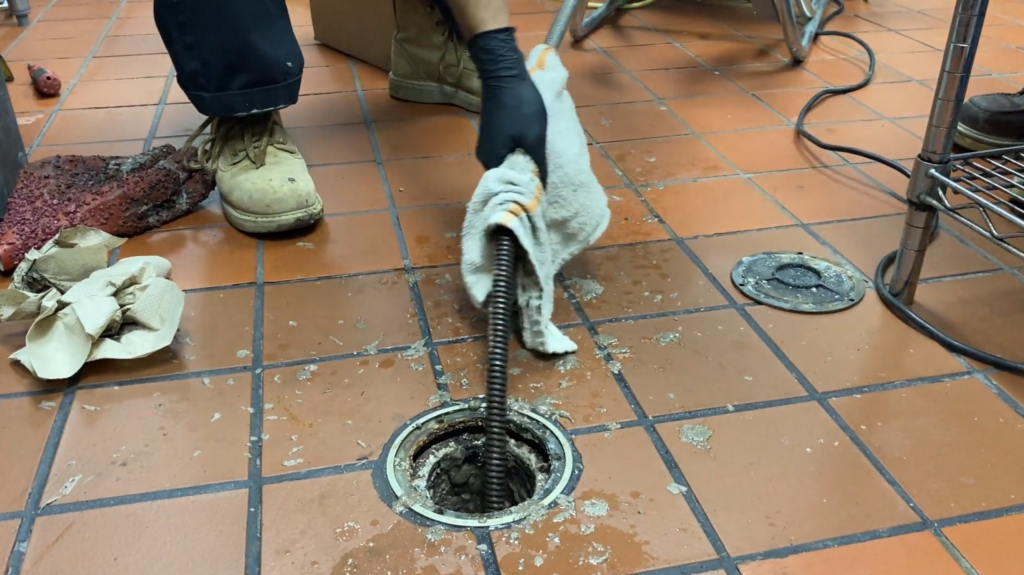
Grease and fat buildup in kitchen lines is one of the most common reasons homeowners call for hydro jetting service. Cooking oils, butter, and food scraps coat the inside of pipes and harden into thick deposits over time. These grease blockages laugh at chemical drain cleaners and often defeat standard snaking attempts because the auger just punches through without removing the surrounding buildup. Hydro jetting melts and washes away these greasy deposits completely, restoring full pipe diameter from edge to edge. Restaurants and homes that cook frequently benefit the most from regular jetting service on kitchen drains. A clean kitchen line means no more slow draining sinks, gurgling sounds, or backup emergencies during dinner prep.
Tree root intrusion is another tough problem that hydro jetting solves better than almost any other method. Roots seek out moisture and find their way through tiny cracks or joints in older sewer lines made of clay or cast iron. Once inside, they grow into thick masses that catch toilet paper, waste, and other debris flowing through the pipe. Standard mechanical augers cut a path through the roots but leave most of the root mass intact, meaning clogs return quickly. The cutting nozzles used in hydro jetting slice through roots and flush the pieces out of the system entirely. While severe root damage may still require pipe repair or replacement, jetting buys significant time and restores function quickly.
Mineral scale, sediment, and sludge buildup also respond extremely well to hydro jetting treatment. Hard water common throughout the High Desert leaves calcium and other mineral deposits along pipe walls year after year. These deposits narrow the pipe diameter and create rough surfaces where other debris catches and accumulates. Sand, dirt, and sediment that wash into drains settle in low spots and contribute to slow draining and frequent clogs. Hydro jetting blasts all of this material loose and flushes it through to the main sewer line where it exits the property. Customers often notice dramatically improved drainage speed throughout the entire home after a single jetting appointment. If your drains have been slowing down for years, our hydro jetting service can restore them to full performance.
Tough Drain Clogs In Different Pipe Materials
Cast iron pipes found in older homes throughout Phelan and the surrounding communities handle hydro jetting very well when the pipe is structurally sound. These pipes were built to last and can tolerate the pressures used in standard jetting without issue. However, cast iron is prone to internal corrosion and scaling over decades of use, which actually makes jetting the ideal cleaning method. The pressurized water strips away the rough corroded layer and exposes smoother metal underneath, dramatically improving flow. A camera inspection beforehand confirms the pipe walls are thick enough to withstand the process safely. Cast iron homeowners often see the most dramatic improvement after a thorough jetting service.
PVC and ABS plastic pipes used in newer construction also respond well to hydro jetting when handled by an experienced plumber. These materials are smooth by design and resist most buildup, but grease and debris can still accumulate over time. The pressure settings used on plastic pipes are typically lower than those used on cast iron to prevent stress on joints and fittings. A skilled plumber knows exactly how to adjust the equipment for each type of pipe material in your system. This careful approach ensures the line gets fully cleaned without putting any strain on the plumbing infrastructure. Newer homes still benefit from periodic jetting, especially in kitchen lines where grease tends to accumulate quickly.
Older clay tile sewer lines require extra caution during hydro jetting because the material is more fragile than metal or plastic. Clay pipes were common in homes built before the 1970s and often have small cracks or joint separations from decades in the ground. A licensed professional always inspects clay pipes with a camera first to assess condition and adjust pressure accordingly. When done correctly, hydro jetting clears clay pipes effectively and extends their service life. Aggressive jetting on a damaged clay pipe can worsen existing problems, which is why hiring an experienced plumber matters. Trust the inspection results and follow professional recommendations to protect your investment.
How Hydro Jetting Compares To Other Drain Clog Solutions
Many homeowners try snaking, chemical cleaners, or store bought tools before calling a professional plumber for serious drain problems. These methods have their place but fall short when clogs are severe, recurring, or located deep in the system. Hydro jetting offers a complete solution that addresses the root cause of drainage problems rather than just providing temporary relief. Understanding the differences helps property owners make informed decisions about which approach fits their situation best. Cost, effectiveness, and long term results all factor into the comparison between these various drain clearing methods. The right choice depends on the specific problem, pipe condition, and how often clogs have been occurring.
Hydro Jetting Versus Snaking For Drain Clogs
Drain snaking, also called cabling or augering, has been the standard method for clearing clogs for many decades. A snake works by feeding a flexible metal cable through the pipe with a cutting head on the end that breaks up blockages. This method works well for simple clogs caused by a single object or a small accumulation of debris in an otherwise clean pipe. Snakes are inexpensive to use and cause no harm to most plumbing systems when operated correctly. For minor kitchen or bathroom clogs that develop quickly, a snake often provides fast and affordable relief. Many homeowners even keep small hand snakes for clearing simple sink and tub drains themselves.
The limitation of snaking becomes clear when dealing with grease, mineral buildup, or extensive root intrusion. A snake punches a hole through the blockage but leaves the surrounding material clinging to the pipe walls untouched. Water flows again temporarily, but the remaining debris quickly catches new material and the clog returns within weeks or months. This explains why some homeowners find themselves calling for drain cleaning multiple times per year despite repeated snaking. The cycle continues until the buildup gets thick enough that even snaking no longer works. At that point, hydro jetting becomes the necessary next step to fully restore the system.
Hydro jetting cleans the entire pipe wall rather than just creating a passage through the blockage. The pressurized water removes everything from grease and sludge to roots and scale, leaving pipes nearly as clean as the day they were installed. This thorough cleaning means clogs take much longer to return, often years instead of months. The upfront cost of jetting is higher than snaking, but the long term value is significantly better for serious drain issues. Property owners with recurring problems typically save money by switching to jetting after a few rounds of snaking failures. Combining periodic jetting with proper drain care prevents most major plumbing emergencies.
Hydro Jetting Versus Chemical Drain Cleaners For Tough Clogs
Chemical drain cleaners sold at hardware stores promise quick and easy clog removal in a bottle. These products use harsh acids or caustic bases to dissolve hair, grease, and organic matter inside drain lines. They work occasionally on minor clogs near the drain opening but fail consistently against tough blockages deeper in the system. The chemicals only travel as far as standing water allows, so deep clogs never get treated at all. Many homeowners pour bottle after bottle down a slow drain with no improvement before finally calling a professional. The expense adds up quickly while the underlying problem only gets worse.
Beyond their limited effectiveness, chemical cleaners cause real damage to plumbing systems over time. The harsh chemicals corrode metal pipes, weaken pipe joints, and damage rubber gaskets and seals throughout the system. Older homes with cast iron or galvanized pipes face the greatest risk because these materials are already prone to corrosion from age. Repeated use of chemical cleaners accelerates pipe deterioration and can lead to leaks, pinhole failures, and complete pipe collapse. The short term convenience of a chemical cleaner often costs thousands in pipe repairs down the road. Septic systems also suffer because the chemicals kill the beneficial bacteria needed for proper waste breakdown.
Hydro jetting uses only pressurized water with no chemicals at all, making it completely safe for pipes and the environment. There is nothing toxic going down your drains, nothing harming your septic system, and nothing damaging pipe materials. The cleaning is also far more thorough than any chemical product can achieve, removing buildup that chemicals cannot touch. Cost wise, a single jetting appointment often costs less than the cumulative price of repeated chemical cleaner purchases over several years. The environmental benefit alone makes jetting the smarter choice for responsible homeowners. Skip the chemicals and call us for our hydro jetting service to clear stubborn clogs the right way.
Hydro Jetting Versus Pipe Replacement For Severe Drain Clogs
Some plumbing companies push pipe replacement as the solution for serious or recurring drain problems. While replacement is sometimes necessary for damaged or collapsed pipes, it is often a much more expensive answer than the situation requires. Digging up sewer lines, breaking through concrete slabs, or replacing entire pipe runs costs thousands and disrupts daily life for days or weeks. Many homeowners assume replacement is their only option after years of recurring clogs without realizing hydro jetting could solve the problem at a fraction of the cost. A proper camera inspection reveals whether pipes need replacement or just need a deep cleaning to function properly. The right answer depends on actual pipe condition, not just clog severity.
Hydro jetting often restores function to pipes that homeowners thought were beyond saving. Decades of grease, scale, and debris can make a pipe seem completely blocked or failed when the underlying structure remains sound. Professional jetting removes all that accumulated material and reveals the true condition of the pipe underneath. Many pipes look almost new after a thorough jetting service, with smooth walls and full diameter restored. This means another 10, 20, or even 30 years of reliable service from pipes that seemed ready for replacement. The savings compared to full pipe replacement are substantial for most homeowners.
Pipe replacement remains necessary in certain situations, however, such as collapsed sections, severe corrosion, or extensive damage from roots or shifting soil. A camera inspection performed before jetting identifies these problems clearly and gives homeowners honest information about their options. An ethical plumbing company recommends replacement only when truly needed and otherwise focuses on less invasive solutions like jetting. The combination of camera inspection plus hydro jetting often answers the question of whether replacement is actually necessary for a given system. This honest assessment protects homeowners from unnecessary expense while ensuring serious problems get properly addressed. Trust matters when making decisions about major plumbing work on your home.
Why You Need Professional Hydro Jetting For Tough Drain Clogs
Hydro jetting is not a job for DIY enthusiasts or general handymen because the equipment is powerful and the technique requires real expertise. Professional plumbers spend years learning how to read pipe conditions, select appropriate nozzles, and adjust pressure settings for different situations. The cost of professional service is well worth it given the risk of damage from improper use and the limitations of rental equipment. Hiring a licensed and insured plumbing company protects your home, your investment, and your peace of mind. Rescue Plumbers Inc has served the High Desert for 15 years with honest service and professional results on every job. We bring the right tools, the right training, and the right attitude to every drain cleaning appointment.
Professional Equipment For Hydro Jetting Tough Drain Clogs
Professional hydro jetting equipment differs dramatically from the rental units available at hardware stores or equipment yards. Commercial grade jetters produce higher pressures, deliver more consistent water flow, and come with specialized nozzles for different applications. The trucks and trailers used by professional plumbers carry water tanks, high pressure pumps, and lengths of hose suitable for residential and commercial work alike. This equipment represents a significant investment that no homeowner could justify for personal use. The quality of the cleaning depends directly on the quality of the equipment being used. Cheap or undersized equipment simply cannot deliver the results of a proper professional setup.
The nozzles themselves are highly specialized pieces of equipment designed for specific purposes within drain cleaning. Some nozzles focus on cutting through roots with reverse facing jets that grip the pipe and pull the hose forward. Others spread water in a fan pattern for general cleaning of pipe walls and removal of grease and sludge. Penetrator nozzles concentrate pressure into a forward stream for breaking through solid blockages and ice. A professional plumber carries dozens of different nozzles and selects the right one for each section of pipe and each type of blockage encountered.
Camera inspection equipment also plays a critical role in professional hydro jetting service. The video cameras used by plumbing companies are designed specifically for drain inspection with self leveling images, lighting, and locator beacons. These cameras transmit clear footage in real time so the plumber can see exactly what is happening inside the pipe. Locator equipment helps pinpoint problem spots from above ground when repairs are needed in specific locations. This combination of jetting and camera technology gives professional plumbers a complete picture that no DIY approach can match.
Professional Training For Hydro Jetting Tough Drain Clogs
Professional plumbers receive extensive training before they are allowed to operate hydro jetting equipment on customer properties. This training covers safety procedures, equipment operation, pressure settings, nozzle selection, and pipe assessment techniques. Years of field experience build the judgment needed to handle unusual situations and adapt techniques to different homes and businesses. A plumber learns to recognize the sounds, sights, and signs that indicate when a job is going well and when adjustments are needed. This expertise cannot be acquired from a brief tutorial or instructional video before tackling a serious clog.
Safety training is particularly important given the pressures involved in hydro jetting work. Water at 4,000 PSI can cause serious injury to skin or eyes if the hose is mishandled or a nozzle breaks free. Professional plumbers wear appropriate protective equipment and follow strict procedures to keep themselves and property occupants safe during the job. They also understand how to identify and respond to problems that develop during the cleaning process. This focus on safety protects everyone involved and prevents the kind of accidents that can occur with untrained operators.
Diagnostic skill is another critical aspect of professional training that affects the success of every hydro jetting job. A good plumber reads pipe materials, identifies clog types, and assesses overall system condition before starting any work. This assessment determines pressure settings, nozzle choices, and access points for the cleaning operation. Pattern recognition built through years of experience helps professionals anticipate problems and adjust their approach accordingly. The result is a more thorough cleaning, fewer surprises, and better long term outcomes for the homeowner.
Why Choose Rescue Plumbers Inc For Hydro Jetting
Rescue Plumbers Inc has built our reputation on honest service, quality workmanship, and real human connection with every customer we serve. We are a family owned and operated business with 15 years of experience handling plumbing problems throughout the High Desert. Our team is fully licensed and insured, giving you complete confidence in the professionals working on your home. We never operate on commission, which means our technicians never push services you do not need or recommend expensive work when simpler solutions will do. This non-commission approach sets us apart and ensures you get honest advice every time.
We offer free, no-obligation estimates so you know exactly what a service will cost before committing to any work. Our pricing is fair, transparent, and explained clearly so there are no surprises when the job is complete. As a truly local company based in Phelan, we understand the unique plumbing challenges of the High Desert including hard water, older homes, and seasonal demands. Our technicians live in the same communities they serve, which means we treat your home the way we would want our own treated. This local commitment translates into faster response times, better service, and stronger customer relationships year after year.
Hydro jetting is one of our specialty services and we have the equipment, training, and experience to handle drain problems of any size. From small residential kitchen lines to large commercial sewer mains, we have the right tools and the right people for the job. Ready to clear your tough drain clogs for good? Click here to learn more about our hydro jetting service and schedule your appointment today. Call us at (760) 241-3100 or send a message to fixit@rescueplumbersinc.com to get started. Experience the difference that honest, professional, family owned plumbing service makes for your home.