What Tree Roots Do To Your Sewer Line
Tree roots are one of the most common and most damaging threats to a residential sewer line. Your sewer line carries a steady supply of water, nutrients, and warmth, and roots treat that buried pipe like an underground feast. As trees and large shrubs mature, their root systems stretch out in search of moisture, and they often grow straight toward the closest sewer pipe. Once a single root finds a small crack or a loose joint, it pushes inside and begins to spread. Over time that intrusion can slow your drains, cause backups, and crack the pipe wall from the inside out. Homeowners across the High Desert deal with this problem often, because thirsty trees chase every drop of water in dry soil. The good news is that root intrusion is treatable, and a clear plan can keep your line flowing for years. This guide explains what tree roots do to your sewer line, how to spot the warning signs early, and what a professional plumber can do to fix the damage for good.
How Tree Roots Damage Your Sewer Line
Tree root damage rarely happens overnight; it builds slowly under the surface where you cannot see it. The process starts with a tiny entry point and ends with a pipe that is partly or fully blocked. Knowing how tree roots damage your sewer line helps you act before a small problem turns into a costly emergency. Different pipe materials react in different ways, and older homes face a much higher risk. The sections below break down why roots invade, the early signs of trouble, and the long term damage that follows when the issue is ignored. Catching the problem early can save you thousands of dollars in repair costs.
Why Tree Roots Invade Your Sewer Line
Tree roots invade your sewer line because they are constantly searching for water, oxygen, and nutrients. A sewer pipe carries all three in steady amounts, which makes it a perfect target for a growing root system. Even a tiny leak at a pipe joint releases vapor into the surrounding soil, and roots can sense that moisture from several feet away. Once they detect it, they grow directly toward the source with surprising speed. In dry climates like Phelan and the wider High Desert, soil holds very little water, so roots become even more aggressive in their search. That aggressive growth is one big reason local homes see frequent root intrusion. The warmth inside a sewer line also draws roots in during cooler months. All of these factors pull roots toward your pipe season after season.
Older pipe materials make the problem worse, because they offer easy entry points for hungry roots. Clay pipe was used in many homes built decades ago, and its short sections create many joints where roots can slip inside. Cast iron and Orangeburg pipe also break down with age, leaving cracks that roots quickly exploit. Modern PVC pipe resists roots far better, yet it is not fully immune at the joints. A pipe that was installed correctly with tight seals will resist intrusion longer than one with loose or shifting connections. Ground movement, settling soil, and temperature swings can open small gaps over time. Each gap becomes an open invitation for a nearby root. This is why the age and material of your sewer line matter so much.
Large trees planted close to a sewer line create the highest risk of invasion. Species with fast and wide root systems, such as willows, elms, poplars, and many shade trees, are common offenders. A tree does not need to sit directly over the pipe to cause trouble, because roots can travel well beyond the canopy above. As a general rule, roots can reach out two to three times the height of the tree. That means a tall tree on the far side of a yard can still reach a buried line. Homeowners often plant trees without knowing where the sewer line runs underground. Years later, those roots arrive at the pipe and begin to feed. Understanding this connection helps you make smarter choices about future planting.
Signs Tree Roots Have Entered Your Sewer Line
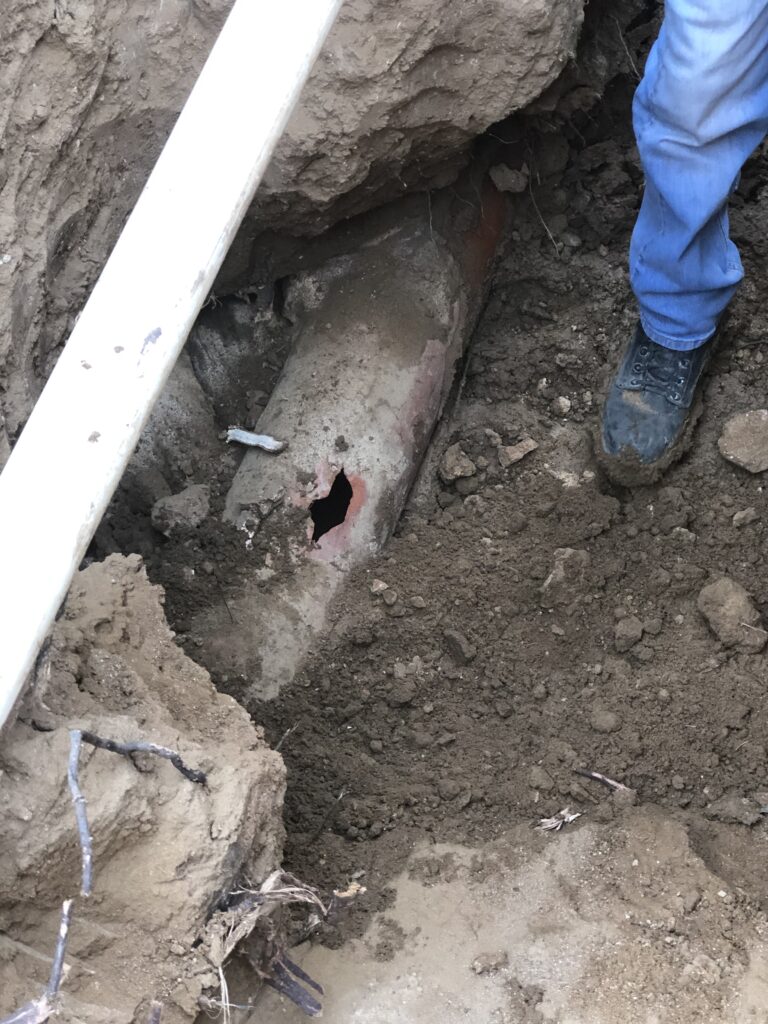
The earliest sign that tree roots have entered your sewer line is usually a slow drain that gets worse over time. You might notice a sink, tub, or toilet that empties more slowly than it used to. Many homeowners ignore this stage, because a single slow drain seems minor at first. As roots spread inside the pipe, more fixtures begin to drain poorly at the same time. A gurgling sound from a toilet or drain is another early clue, since trapped air moves around the growing blockage. These sounds often happen when you run water somewhere else in the house. Catching these signals early gives you the best shot at a simple cleaning instead of a major repair. Pay close attention any time several drains slow down together.
A sewage smell in or around your home is a stronger sign that roots have invaded the line. When roots block the flow, waste backs up and releases foul odors through drains and yard cleanouts. You may also notice patches of grass that grow faster and greener than the rest of the lawn. That happens because a cracked, root filled pipe leaks nutrient rich water into the soil. Soggy spots, sunken areas, and small sinkholes in the yard can point to the same problem. Some homeowners even see an increase in pests like rodents and insects drawn to the leaking waste. These outdoor clues often appear before a full backup happens inside the house. Spotting them early can prevent a messy and expensive emergency.
The clearest and most serious sign is a full sewer backup into your home. When roots fully block the pipe, wastewater has nowhere to go and rises back up through the lowest drains. This often shows up first in basement floor drains, ground floor toilets, or shower pans. A backup like this is a health hazard and demands fast action. Repeated backups, even after a plumber clears the line, strongly suggest a root problem rather than a simple clog. A camera inspection is the only way to confirm the cause and measure the real damage. If you want a clear look inside your pipe, click here for our sewer line inspection service. A professional inspection removes the guesswork and shows you exactly what is happening underground.
The Long Term Damage Tree Roots Cause to Your Sewer Line
The long term damage tree roots cause to your sewer line goes far beyond a simple clog. As roots grow thicker inside the pipe, they trap toilet paper, grease, and other debris, which builds a dense mass. That mass restricts flow and puts steady pressure on the pipe walls. Over months and years, the growing roots can crack, crush, or completely collapse a section of pipe. A collapsed line is one of the most expensive plumbing repairs a homeowner can face. Roots also widen existing cracks every time they expand, which speeds up the decay. What started as a hairline gap can become a major break. This slow destruction is why early action matters so much.
Root intrusion also shifts and misaligns pipe sections as the roots push and swell against the line. A pipe that loses its proper slope will no longer drain by gravity the way it should. Standing waste inside a misaligned pipe creates ongoing clogs and constant backups. The trapped moisture speeds corrosion in metal pipes and weakens the joints in clay and plastic lines. Soil around the damaged pipe can wash away, leaving voids that cause the ground above to sink. Those voids sometimes lead to cracked patios, sunken walkways, or even damaged foundations. The repair cost climbs quickly once the damage reaches the surrounding structure. Treating roots before they reach this stage protects both your pipe and your property.
Ignoring tree root damage almost always leads to a larger and more costly project down the road. A line that could have been cleared and treated may eventually need a full replacement. Replacement often involves digging across the yard, which disturbs landscaping, driveways, and walkways. Trenchless repair methods can reduce that disruption, yet they still cost more than routine maintenance. There is also the health risk of repeated sewage exposure for your family. Property value can drop when a buyer learns of a damaged sewer line during inspection. The smartest move is to address roots while the fix is still simple, so the repair stays affordable. If you already see warning signs, click here for our sewer line repair service.
How to Remove and Prevent Tree Roots in Your Sewer Line
Once roots take hold inside a sewer line, they will not clear on their own. A real fix requires the right tools, the right method, and a plan to keep them from coming back. The best approach depends on how far the roots have spread and how much the pipe has been damaged. A plumber will often start with a camera inspection to map the problem before choosing a treatment. Some lines need only a thorough cleaning, while others call for repair or full replacement. Knowing how to remove and prevent tree roots in your sewer line helps you choose the right service the first time. The sections below cover the main professional methods and the steps that keep roots away for good.
Professional Methods to Remove Tree Roots From Your Sewer Line
Professional methods to remove tree roots from your sewer line often start with a tool called a mechanical auger, sometimes known as a rooter. The machine feeds a flexible cable down the pipe, and a rotating cutting head shreds the roots as it spins. This clears the blockage and restores flow fairly quickly. A rooter works well for a fast fix, yet it does not always remove every bit of root from the pipe walls. Roots left behind can regrow within months, so this method often serves as a first step rather than a final cure. Many plumbers pair augering with a follow up treatment to slow that regrowth. The cost is usually lower than major repair, which makes it a popular starting point. A trained technician knows how aggressively to cut without harming the pipe.
Chemical root treatments offer another way to control roots inside a sewer line. Foaming products that contain root killing agents coat the inside of the pipe and kill roots on contact. These foams reach the top of the pipe where water does not normally flow, which makes them more thorough than liquids alone. The dead roots then dry out and wash away over the following weeks. Copper sulfate is a common older option, though many plumbers now use safer foaming formulas. These treatments work best as a preventive step after the line has already been cleared. They do not break up a heavy blockage on their own. Used on a regular schedule, they can hold roots back and extend the life of the pipe.
When roots have cracked or crushed the pipe, cleaning alone will not solve the problem, and repair becomes necessary. Trenchless options let a plumber fix the line with little or no digging. Pipe lining, also called cured in place pipe, inserts a resin coated sleeve that hardens into a new pipe inside the old one. Pipe bursting pulls a new pipe through the old path while breaking the damaged pipe apart. Both methods seal the cracks and joints that let roots in, which stops future intrusion at the source. Traditional dig and replace is still used when damage is severe or the pipe has fully collapsed. A camera inspection guides the choice between these repair methods. The right repair restores full flow and keeps roots out for many years.
Hydro Jetting to Clear Tree Roots From Your Sewer Line
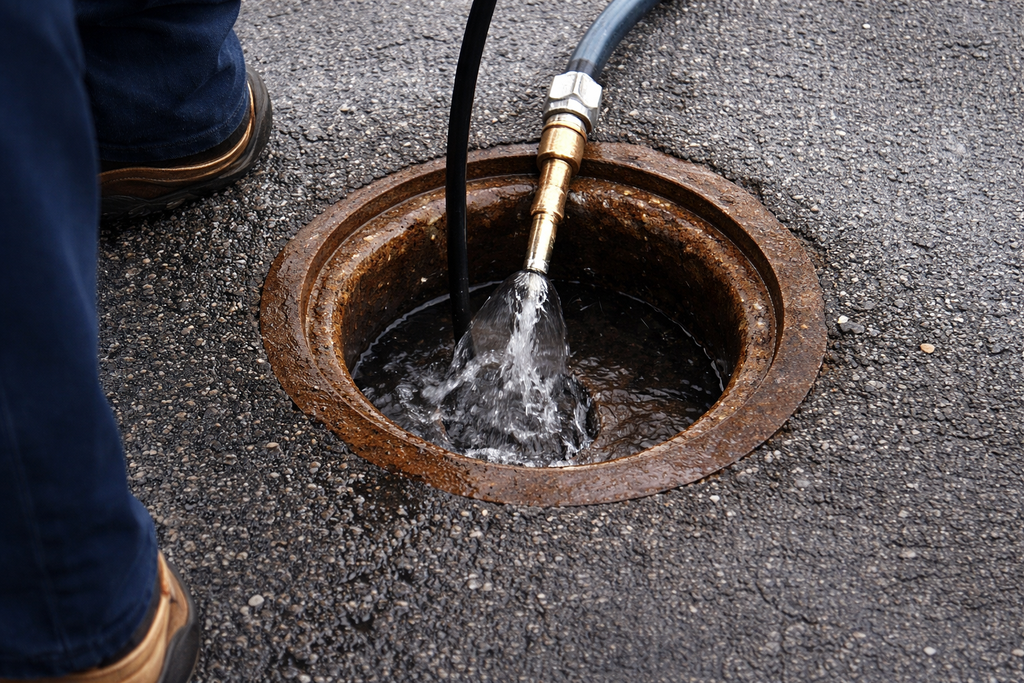
Hydro jetting to clear tree roots from your sewer line uses high pressure water to scour the pipe completely clean. A specialized nozzle sprays water at pressures that can reach several thousand pounds per square inch. That force slices through roots, grease, scale, and built up debris in a single pass. Unlike a rooter, which mainly cuts a hole through the blockage, hydro jetting strips the pipe walls back to a bare surface. This thorough cleaning removes far more of the root mass and delays regrowth. The process works on most pipe materials once a plumber confirms the line is strong enough to handle it. A camera inspection before jetting helps avoid damage to fragile or collapsed pipes. The result is a pipe that flows like new again.
One major benefit of hydro jetting is that it removes the fine root hairs that augers leave behind. Those tiny roots are what allow a blockage to return so quickly after a basic cleaning. By blasting them away, hydro jetting buys you far more time before roots grow back. The high pressure water also flushes out the trapped paper and grease that feed future clogs. Because it uses only water, the method adds no harsh chemicals to your pipes or the soil. This makes it a clean and effective choice for many homeowners. Plumbers often recommend it as part of routine maintenance for lines with a history of roots. Regular jetting can keep a vulnerable pipe clear for a very long time.
Hydro jetting is most effective when a trained plumber controls the pressure and matches it to the pipe. Too much pressure on an already weak pipe can cause more harm than good, which is why inspection always comes first. A skilled technician adjusts the nozzle and flow to clear the roots while protecting the line. For homes with mature trees and older pipes, scheduled jetting can prevent the backups that ruin a weekend. If you want a deep cleaning that removes roots at the source, click here for our hydro jetting service. This service pairs well with a treatment plan to keep your line flowing. Done right, hydro jetting is one of the most reliable tools for fighting sewer line roots.
How to Prevent Tree Roots From Returning to Your Sewer Line
How to prevent tree roots from returning to your sewer line begins with smart landscaping choices. Plant new trees and large shrubs well away from the path of your sewer line. If you do not know where the line runs, a plumber can locate and map it for you. Choose species with slower and less invasive root systems when you plant near any buried pipe. Removing a problem tree is sometimes the right call when its roots keep attacking the line. A barrier of metal or wood placed in the soil can redirect roots away from the pipe. Slow release chemical barriers in the soil can also discourage root growth near the line. These steps reduce the pressure on your pipe before roots ever reach it.
Routine maintenance is the most reliable way to keep roots from coming back inside the line. A yearly camera inspection catches new growth while it is still small and easy to clear. Scheduled hydro jetting or augering removes any roots before they form a heavy blockage. Foaming root treatments applied on a regular cycle kill new growth between cleanings. Keeping grease, wipes, and other debris out of your drains gives roots less to cling to. A maintenance plan spreads these tasks across the year, so nothing gets forgotten. The cost of routine care is far lower than the cost of an emergency repair. Consistency is what keeps a root prone line healthy over the long run.
Repairing the pipe itself offers the most permanent way to stop roots from returning. As long as cracks and loose joints remain, roots will keep finding their way back inside. Sealing those gaps with pipe lining or replacing the worst sections closes the door for good. A sound, watertight pipe gives roots no entry point and no moisture to chase. Pairing a solid repair with ongoing maintenance gives you the strongest protection available. Many homeowners combine a one time repair with an annual checkup for lasting peace of mind. This layered approach is the surest path to a root free sewer line. A plumber can build a plan that fits your pipe, your yard, and your budget.
Why You Need Professional Sewer Line Service for Tree Root Problems
Tree root problems are not a do it yourself project, and a store bought product rarely solves them for long. The roots live underground where you cannot see the damage, and guessing at the cause wastes both time and money. A professional plumber brings cameras, jetters, and repair tools that a homeowner simply cannot match. The right diagnosis the first time prevents repeat backups and surprise costs. Trained technicians also know how to protect your pipe while they clear it. For a problem this serious, professional sewer line service is the smart and safe choice.
When to Call a Plumber About Tree Roots in Your Sewer Line
You should call a plumber about tree roots in your sewer line at the very first sign of trouble. Slow drains, gurgling toilets, and faint sewage smells are early warnings that deserve attention. Waiting until a full backup hits only raises the cost and the mess. A quick call when symptoms start often means a simple cleaning will fix the issue. The earlier a plumber steps in, the more options you have on the table. Fast action keeps a minor root problem from turning into a major repair.
Repeated clogs are another clear signal that it is time to bring in a professional. A single clog might be a one time issue, but clogs that return point to roots inside the pipe. If you have cleared the same drain more than once in a short span, roots are a likely cause. Homes with mature trees and older pipe should treat repeat clogs as a serious warning. A plumber can confirm the cause with a camera and stop the cycle for good. Chasing the same clog over and over wastes both time and money.
Any sign of a backup or yard damage calls for a plumber right away. Sewage rising into a tub or floor drain is a health hazard that needs fast, professional care. Soggy patches, sinkholes, and unusually green grass over the line all suggest a leaking, root filled pipe. These outdoor clues often mean the damage has already spread underground. A plumber can inspect the line, find the break, and recommend the right fix. Acting quickly limits the harm to your home and your property.

What to Expect From a Tree Root Sewer Line Inspection
A tree root sewer line inspection starts with a flexible camera that travels through the pipe. The plumber feeds the camera down a cleanout and watches a live video feed of the inside of the line. This shows the exact location, size, and severity of any root intrusion. Seeing the problem on screen removes the guesswork from the diagnosis. The camera also reveals cracks, sags, and other damage that roots may have caused. You get a clear picture of your pipe before any work ever begins.
After the inspection, the plumber explains what the camera found in plain terms. You learn how far the roots have spread and how much the pipe has been affected. From there, the technician lays out the treatment options that fit your situation. A light root presence might need only a cleaning and a foam treatment. Heavier damage may call for hydro jetting, repair, or replacement. Having this information lets you make a confident and informed choice.
A good inspection also gives you a baseline for future maintenance. The recorded video shows the condition of your line on the day of service. Comparing later inspections to that baseline reveals how fast roots are growing back. This helps your plumber set the right schedule for cleanings and treatments. An inspection is a small investment that guides every decision that follows. It is the foundation of any smart plan to control sewer line roots.
Why Choose Rescue Plumbers Inc for Tree Root Sewer Line Service
Rescue Plumbers Inc has served the High Desert for fifteen years, and we know the soil and trees in our area well. We are a family owned and operated company that values a real human connection with every customer. Our team is licensed and insured, so your home and your pipe are always in trained hands. We offer free, no obligation estimates, which means you know the cost before any work starts. Our service is non commission based, so our plumbers recommend what you need and nothing more. That honest approach has earned the trust of homeowners across the region.
We bring the right tools to every tree root job, from camera inspections to hydro jetting and full repairs. Our technicians find the true cause of the problem instead of treating only the symptoms. We explain your options in plain language and let you make the final call. As a truly local company, we respond quickly when a backup threatens your home. We treat your property with care and clean up once the job is done. You can count on us for a fix that lasts, not a quick patch that fails.
Choosing Rescue Plumbers Inc means choosing a team that puts your needs first. We answer the phone, show up on time, and stand behind our work. Our professional credentials and years of local experience give you real peace of mind. When tree roots threaten your sewer line, we have the skill and the equipment to set things right. Call us today at (760) 241-3100 to schedule your sewer line service. Let our family help protect your home from the damage tree roots can cause.