
Common Plumbing Problems Found During Home Inspections
A home inspection can turn a smooth sale into a negotiation overnight, and plumbing is one of the biggest reasons that happens. Most inspectors spend a good part of their walkthrough running faucets, flushing toilets, checking under sinks, and looking at the water heater, because those systems tell them how the house has been maintained. Buyers in Phelan, Hesperia, Apple Valley, and the rest of the High Desert are paying attention to plumbing more than ever, and hard water in this region leaves evidence that is hard to hide. Fall is a busy stretch for closings, so sellers who get ahead of these issues in September and October usually keep more money in their pocket. The good news is that most plumbing problems flagged on an inspection report are known, predictable, and repairable by a licensed plumber. The bad news is that ignoring them almost always costs more later, since a buyer’s repair request tends to be written broadly and priced high. Understanding what inspectors look for gives you a real advantage on both sides of the transaction.
Water Leaks and Pipe Problems Found During Home Inspections
Leaks are the single most common plumbing finding on an inspection report, and they show up in places most homeowners never look. Inspectors open cabinet doors, shine a flashlight along supply lines, look for staining on drywall, and check ceilings below upstairs bathrooms. They also watch the water meter with all fixtures off, which is a simple test that catches hidden leaks under slabs and in walls. In the High Desert, mineral heavy water accelerates corrosion at threaded connections and valve stems, so small drips are extremely common in homes over fifteen years old. Pipe material matters just as much as pipe age, and certain materials get flagged automatically. A leak that seems minor on paper can still kill a deal when the report mentions moisture, staining, or possible mold. Getting these repairs handled properly, with visible workmanship, is what keeps the conversation calm.
Supply Line Leaks Found During Home Inspections
Supply lines carry pressurized water to every fixture in the house, which means any failure produces continuous water flow rather than an occasional drip. Inspectors pay close attention to the flexible connectors under sinks and behind toilets, since the braided stainless and plastic versions have a service life that most homeowners never track. Corrosion at the angle stop, a green or white crust at the nut, or a stiff valve handle all get written up as evidence of a developing problem. Water pressure plays a large role here, and homes in this area frequently run above the eighty psi limit allowed by the Uniform Plumbing Code. High pressure stresses every joint in the system, shortens the life of appliances, and causes the water heater relief valve to weep. A pressure regulator that has failed or was never installed is a routine finding, and it is an inexpensive repair compared to the damage high pressure causes over time.
Slab leaks deserve their own mention because they are common in California homes and expensive to ignore. An inspector cannot see a pipe buried in concrete, so the warning signs they document are indirect: a warm spot on the floor, unexplained meter movement, a section of baseboard that shows moisture, or a foundation crack with staining nearby. Copper lines under a slab fail from a combination of soil chemistry, abrasion where the pipe passes through concrete, and water chemistry that eats the pipe wall from the inside. Once the report notes possible slab leak activity, buyers almost always demand a professional evaluation before closing. Locating the leak accurately with acoustic and pressure testing equipment prevents unnecessary demolition, which is the part that runs up the bill. Suspect a hidden leak somewhere in your home? Click here for our leak detection service.
Water damage from supply leaks builds slowly, and that is exactly why inspectors treat it seriously. A pinhole leak inside a wall can run for months before it stains the drywall, and by then the framing has usually absorbed a significant amount of moisture. Cabinet floors that feel soft, swollen particleboard under a sink, and a musty smell in a closet are all documented in the report as active or previous moisture intrusion. Sellers sometimes patch the visible damage without fixing the source, and an experienced inspector will spot fresh paint over an old stain immediately. The correct approach is to repair the failed pipe or fitting, dry the area completely, then repair the finish surfaces. Doing it in that order gives you a clean report and a paper trail that reassures the buyer.
Drain and Sewer Line Problems Found During Home Inspections
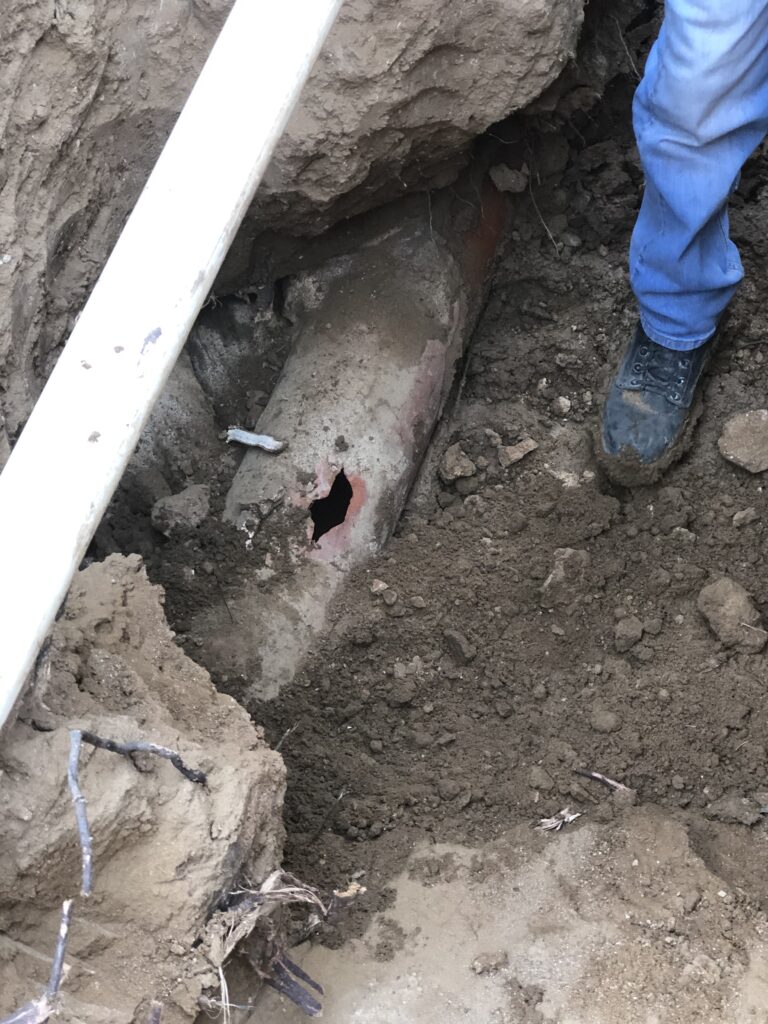
Drain problems reveal themselves in the way water leaves a fixture, and inspectors test this by filling sinks and tubs and watching them empty. Slow drainage at multiple fixtures points to a main line restriction rather than a local clog, which is a much larger issue for a buyer to absorb. Gurgling sounds, water backing into a shower when a toilet flushes, and standing water at a floor drain are all documented as signs of a compromised main. Older homes in this region were built with cast iron and clay, and both materials fail predictably; cast iron scales and rots from the inside while clay joints separate and invite root intrusion. Inspectors also look under sinks for S traps, which are no longer allowed by code because they siphon the trap seal dry and let sewer gas into the room. Improper drain slope is another frequent write up, since a horizontal drain needs roughly a quarter inch of fall per foot to carry solids correctly.
Standard home inspections rarely include a camera run through the main sewer line, and that gap causes a lot of surprises after closing. A camera inspection shows the actual condition of the pipe, including bellies where water sits, offset joints, root masses, and sections of failed Orangeburg pipe that look like a flattened oval on screen. It also confirms the location and depth of the line, which matters if a repair becomes necessary later. Many buyers now order a sewer scope separately, and sellers who run one first can address any surprises on their own timeline rather than under a contract deadline. A recorded video with a written summary is powerful documentation during negotiation, especially when it shows a healthy line. Want a clear picture of your main line before an inspection? Click here for our sewer line inspection service.
Repairs for drain and sewer findings range widely, and the right fix depends entirely on the condition of the pipe. A single root intrusion at one joint may be handled by cutting the roots and hydro jetting the line to restore full diameter, while a collapsed section requires excavation and replacement. Hydro jetting scours the pipe wall with high pressure water and removes grease, scale, and root hair that a cable machine leaves behind. Cleaning a line without addressing the underlying defect only buys time, so an honest evaluation matters more than a cheap quote. Sellers should be careful with contractors who recommend full replacement without showing camera footage of the problem. A plumber who walks you through the video and explains what you are looking at is giving you the information you need to make a sound decision.
Corroded and Outdated Piping Found During Home Inspections
Pipe material is one of the first things an inspector identifies, and certain materials trigger an automatic recommendation for further evaluation. Galvanized steel was standard in homes built before the early 1960s, and it corrodes from the inside until the interior diameter shrinks to a fraction of its original size. The symptoms are easy to spot: low flow at upper fixtures, rust colored water after the house sits unused, and heavy scaling visible at any exposed threaded joint. Polybutylene, the gray plastic pipe installed between the late 1970s and the mid 1990s, gets flagged nearly every time because of its history of joint and pipe wall failures. Some insurance carriers will not write a policy on a home with polybutylene supply lines, which turns a plumbing note into a financing problem. Copper is generally well regarded, though pinhole leaks in older copper systems are common when water chemistry and pressure work against the pipe.
Partial repairs on an aging system tend to disappoint everyone involved. Replacing one corroded section of galvanized pipe often makes the next weakest section fail, because restoring flow raises pressure downstream on pipe that was already compromised. Mixing dissimilar metals without a dielectric fitting creates galvanic corrosion at the connection, and inspectors know exactly where to look for that green crust. This is why a full repipe frequently makes more financial sense than a series of spot repairs on an old system. Modern repipes use copper or PEX, both of which resist the scaling that destroyed the original pipe, and both come with a service life that outlasts most ownership periods. A documented repipe is also a strong selling point that buyers recognize as real value. Dealing with old galvanized or polybutylene pipe? Click here for our repiping service.
Hard water accelerates every one of these problems, and the High Desert has some of the hardest water in Southern California. Calcium and magnesium deposit inside pipes, on fixture screens, in water heater tanks, and across every valve seat in the house. Inspectors see the evidence in the form of crusted aerators, spotted glass shower doors, and stiff shutoff valves that will not turn without breaking. Homes on well water face additional variables, including iron content and sediment that clog cartridges and fill filter housings quickly. Treating the water at the point of entry slows the damage across the entire plumbing system, which protects appliances and fixtures at the same time. A filtration or softening system is often a smart investment for a homeowner who plans to stay, and it can be a genuine selling feature for a buyer who understands local water conditions.
Water Heater and Fixture Problems Found During Home Inspections
Fixtures and appliances are where inspectors spend the most hands on time, because those items are accessible and easy to test. The water heater alone generates more written comments than almost any other plumbing component in the house. Toilets get flushed, rocked, and checked at the base; faucets get run hot and cold while the inspector watches the drain and feels the trap for moisture. Every one of these findings is repairable, and most are inexpensive when handled before a buyer’s contractor prices them. What makes them dangerous is volume, since a report listing twelve small plumbing items reads like a neglected house. Clearing the small stuff in advance changes how the entire report lands.
Water Heater Problems Found During Home Inspections
California requires seismic strapping on water heaters, and a missing or improperly installed strap is one of the most common corrections written on an inspection report. The code calls for two straps, one in the upper third of the tank and one in the lower third, with the lower strap positioned at least four inches above the controls. Inspectors also check the temperature and pressure relief valve and its discharge pipe, since that assembly is the primary safety device on the appliance. The discharge pipe must run full size to an approved termination, cannot be reduced, cannot have threads on the end, and must terminate between six and twenty four inches above the floor or ground. A relief valve that drips usually indicates excessive pressure or an overheating tank, not a defective valve, so the underlying cause needs attention. Improper venting on a gas unit is a safety concern that inspectors document immediately, including disconnected vent sections, insufficient rise, or backdrafting at the draft hood.
Tank age and condition drive the rest of the water heater conversation. Most standard tank heaters last eight to twelve years, and hard water shortens that range considerably by packing the bottom of the tank with sediment. Sediment insulates the burner from the water above it, which drives up energy use, creates rumbling sounds during heating, and stresses the tank lining. Inspectors read the serial number to determine manufacture date, and a tank past the ten year mark almost always gets a note about remaining service life. Corrosion at the fittings, rust streaks down the jacket, and moisture in the drain pan all point to a tank nearing the end. Replacing a failing heater before listing avoids a rushed decision later and lets you choose the equipment instead of accepting a buyer’s credit. Not sure how much life your tank has left? Click here for our water heater inspection service.
Expansion tanks are a frequent finding that homeowners often do not understand. When a home has a pressure regulator or a backflow preventer, the plumbing becomes a closed system, and heated water has nowhere to expand. That thermal expansion raises pressure throughout the house, forces the relief valve open, and shortens the life of every fixture and connection in the building. A properly sized expansion tank absorbs that pressure, and it must be charged to match the incoming water pressure to function correctly. Inspectors check for the presence of the tank and note when it is missing, waterlogged, or mounted without support. It is a small component with a large effect on the health of the entire system.

Toilet Problems Found During Home Inspections
Toilets are tested at nearly every inspection, and the checks are simple but revealing. The inspector flushes the unit, watches the bowl refill, listens for a running fill valve, and then grips the bowl and rocks it gently to check the floor connection. Movement at the base means the closet bolts are loose, the flange is damaged, or the subfloor beneath has been softened by a leaking wax ring. A toilet that rocks will eventually break the wax seal and allow waste water to escape under the flooring, which is why inspectors treat it as more than a cosmetic issue. Staining on the ceiling below an upstairs bathroom is often traced back to exactly this problem. Caulking around the base is common practice, but it does not fix a loose toilet and it can hide a leak from view.
Internal toilet components fail on a predictable schedule, and hard water speeds that timeline up. Flapper valves stiffen and warp, allowing water to seep past the seal so the tank refills periodically without anyone touching the handle. That silent leak wastes hundreds of gallons a month and shows up on the meter test that inspectors sometimes run. Fill valves develop mineral buildup that causes slow refills, whistling, or a tank that never shuts off completely. Replacing the internal components is quick and inexpensive, and it removes an easy criticism from the report. A cracked tank or bowl, on the other hand, requires full replacement, since there is no reliable repair for a fractured vitreous china fixture.
Rough toilet performance sometimes reflects a drain problem rather than the fixture itself. A toilet that flushes weakly, requires two flushes, or bubbles when a nearby fixture drains is telling you something about the branch line or the vent. Blocked vents prevent air from entering the system, which slows drainage and pulls water out of nearby traps. Older low flow models from the first generation of water conservation designs also perform poorly, and inspectors note that as an operational deficiency. Upgrading to a modern high efficiency model resolves the complaint and reduces water use at the same time. Need a toilet repaired or replaced before your inspection? Click here for our toilet repair service.
Faucet and Drain Fixture Problems Found During Home Inspections
Faucets get run at every sink, tub, and shower during an inspection, and the inspector watches for several things at once. Weak flow at a single fixture usually means a clogged aerator or a partially closed angle stop, while weak flow throughout the house points to a supply or pressure issue. Dripping spouts, leaking handles, and loose escutcheons are written up as maintenance items, and they add up quickly across a full house. Under the sink, the inspector feels the trap and tailpiece for moisture and looks for the white mineral trails that mark a slow leak. Corroded angle stops that will not turn are a safety concern, because a homeowner needs those valves to work during an emergency. Replacing hardened shutoff valves is a small job that improves the report and the function of the house.
Drain assemblies under sinks generate their own list of findings. Flexible accordion style trap arms are not code compliant in most jurisdictions because the ridged interior catches debris and causes chronic clogs. Improper connections, missing trap arms, and drains that discharge into an unvented configuration all get documented. Dishwashers require a high loop or an air gap to prevent drain water from siphoning back into the appliance, and a missing air gap is one of the most frequently cited items in California inspections. Garbage disposals are checked for leaks at the housing and for the knockout plug, since a new disposal installed without removing that plug will not accept dishwasher drainage. These corrections are quick for a licensed plumber and expensive when bundled into a buyer’s repair credit.
Outdoor fixtures matter too, and they are easy to overlook when preparing a home for sale. Hose bibs need a vacuum breaker to prevent contaminated water from being drawn back into the potable supply, and inspectors specifically look for that device. Leaking hose bibs, loose mounting, and missing backflow protection are all common notes on High Desert properties. Irrigation connections tied directly into the domestic supply without proper backflow prevention are a health concern and a code violation. Exterior faucets also take a beating from sun exposure and freezing nights, both of which this region delivers in the same year. Handling these small exterior items before the inspector arrives keeps the report focused on the condition of the house rather than a list of easy corrections.
Why You Need a Plumber Before Your Home Inspection
Waiting for the inspection report to tell you what is wrong puts you in the weakest possible negotiating position. Once an item is in writing, the buyer controls the timeline, the scope, and often the choice of contractor. A plumbing evaluation before listing gives you the same information at a point when you still have options. Repairs made in advance cost less, get done properly, and come with documentation you can hand to a buyer. Buyers benefit from the same approach, since knowing the true condition of a plumbing system before closing prevents an expensive surprise in the first year of ownership. Rescue Plumbers Inc works both sides of that transaction every week across the High Desert.
How a Plumber Helps You Prepare for a Home Inspection
A plumber walking your home before the inspector arrives covers the same ground with more equipment and more experience. We check static water pressure at a hose bib, test the regulator, run the water heater through a full cycle, and verify the strapping and relief valve installation. Under every sink we look at supply connections, angle stops, traps, and any sign of past moisture. Fixtures get tested individually, and any slow drain gets evaluated to determine if it is a local clog or a main line restriction. You end up with a written list of what needs attention, what can wait, and what is already in good shape.
That list lets you make decisions instead of reacting to demands. Small repairs like flappers, aerators, angle stops, and hose bib vacuum breakers can be knocked out in a single visit for a modest cost. Larger items like a failing water heater or a compromised sewer line get planned out, priced honestly, and scheduled at your convenience. You also get the option to disclose a known condition and price the home accordingly, which is often cleaner than negotiating a credit later. Sellers who take this route consistently report smoother escrows and fewer last minute concessions.
Buyers get real value from a plumbing evaluation during the inspection period. A general home inspector is a generalist by design and will recommend further evaluation on anything technical. Having a licensed plumber assess the same items gives you specific repair costs rather than open ended concerns. That information supports a realistic repair request and protects you from inheriting a system that fails within months. It also tells you what to budget for in the first few years of ownership.
What to Do After a Home Inspection Finds Plumbing Problems
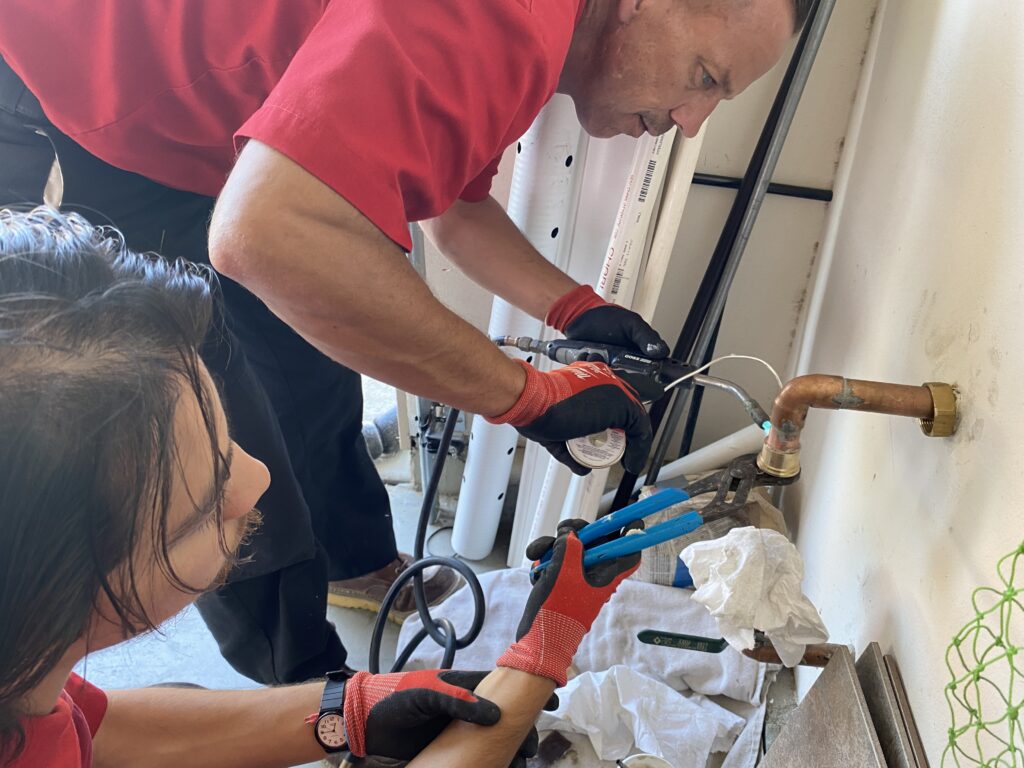
Receiving a report full of plumbing notes is not a crisis, and panic leads to bad decisions. Start by separating safety and function items from cosmetic and maintenance items, because those categories carry very different weight in a negotiation. A missing water heater strap and a dripping faucet do not belong in the same conversation, even though they appear in the same list. Getting a licensed plumber to review the report and price each item gives you a factual basis for the discussion. Numbers move negotiations forward far better than opinions do.
Timing matters once you are under contract, and repair windows are usually short. We schedule inspection repair work quickly because we know escrow deadlines do not move for anyone. Bundling multiple small corrections into one visit reduces cost and produces a single invoice that satisfies the buyer’s documentation request. For larger items, we provide a written scope and a clear explanation of what the repair includes. That paperwork is often the difference between a smooth close and a stalled one.
Not every item on a report requires immediate action, and an honest plumber will tell you so. Some notes reflect general aging rather than an active defect, and treating them as emergencies wastes money. We explain what each finding actually means for the house and what happens if it goes unaddressed. That context lets you spend your repair budget where it produces the most benefit. Our goal is a working plumbing system and a closed transaction, not the largest possible invoice.
Why Choose Rescue Plumbers Inc for Home Inspection Plumbing Repairs
Rescue Plumbers Inc is family owned and operated, licensed, insured, and serving the High Desert for fifteen years. Our technicians are not paid on commission, which means nobody in our company benefits from selling you a repair you do not need. That single policy changes the entire experience, because the recommendation you receive reflects the condition of your plumbing and nothing else. We provide free estimates with no obligation, so you can get real numbers before committing to anything. When you call us, you talk to a person who knows the area and understands what your report is describing.
We work throughout Phelan, Hesperia, Apple Valley, Victorville, Adelanto, Oak Hills, Pinon Hills, Wrightwood, and the surrounding communities. Local experience matters here, because High Desert water chemistry, well systems, and older housing stock create patterns we see constantly. That familiarity lets us diagnose problems faster and give accurate pricing on the first visit. We handle everything from a leaking angle stop to a full repipe or sewer replacement. One company, one point of contact, for the entire list on your report.
Call Rescue Plumbers Inc at (760) 241-3100 or email fixit@rescueplumbersinc.com to schedule an evaluation. We are located at 6083 Lindero Rd in Phelan and serve the surrounding High Desert daily. Sellers preparing to list, buyers in their inspection window, and homeowners who simply want to know the condition of their system all get the same straightforward assessment. Real human connection and honest work are the reasons our customers keep our number. Get your plumbing handled before the report is written, and keep control of your transaction.