How Often Should You Schedule A Sewer Line Inspection
Your sewer line works quietly underground every single day, carrying waste away from your home without you ever thinking about it. That silence can be deceiving, because small problems grow into major backups when nobody checks on the pipe. Most homeowners in Phelan and across the High Desert only call a plumber after water is already bubbling up in the shower or pooling in the yard. A regular sewer line inspection catches those issues early, long before they turn into expensive repairs. The right schedule depends on the age of your home, the trees on your property, and how your plumbing has behaved over the years. Knowing the right timing saves money, protects your foundation, and keeps your family safe from contaminated water. This guide walks you through exactly how often to book one and why it matters.
How Often You Should Schedule A Sewer Line Inspection For Your Home
The general rule for a healthy home is a sewer line inspection every 18 to 22 months. Homes older than 40 years should move to a yearly schedule because cast iron and clay pipes weaken with age. Properties with large trees nearby need more frequent checks since roots hunt for moisture and crack into pipe joints. If you have bought a new home, schedule an inspection before closing so you know the true condition of the line. Seasonal shifts in the High Desert also stress pipes, and spring is a smart time to look for winter damage. A camera inspection gives a clear picture of the pipe’s interior without digging up your yard.
The Right Sewer Line Inspection Schedule For Older Homes
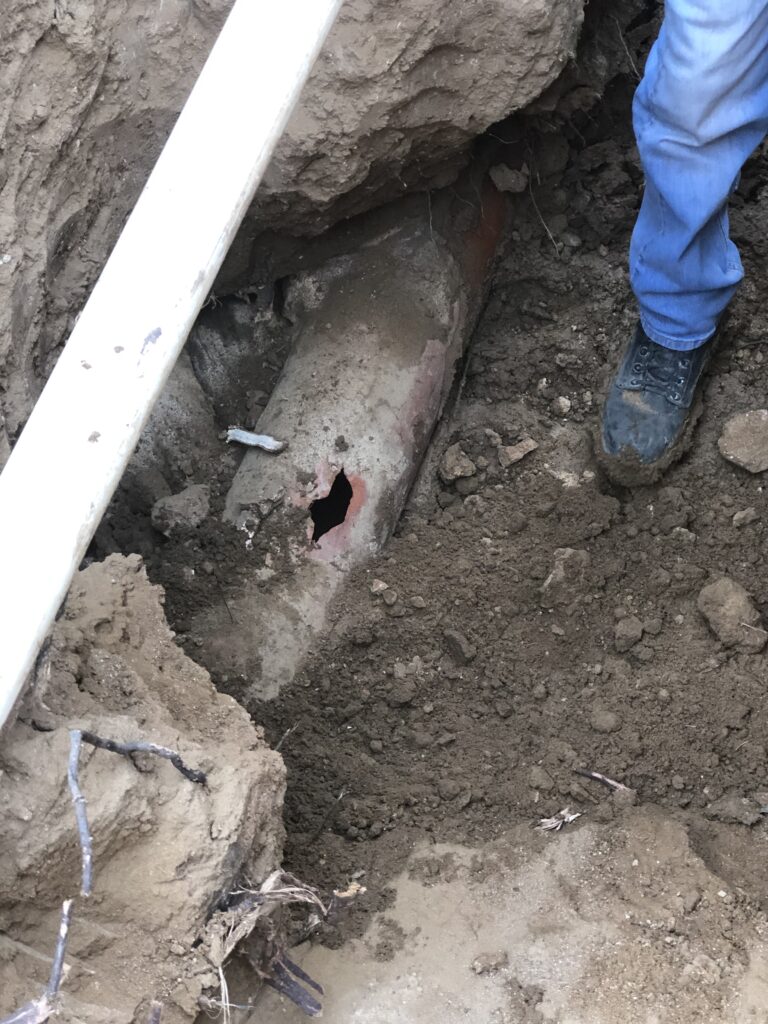
Homes built before 1985 often have cast iron, clay, or Orangeburg sewer lines that deteriorate from the inside out. These materials corrode, crack, and collapse over time, especially when exposed to acidic soil conditions common in parts of San Bernardino County. A yearly sewer line inspection gives you a chance to track how the pipe is aging and plan for replacement before a full failure happens. Scale buildup inside cast iron pipes reduces the flow diameter and traps debris that should be flushing through. Tree roots find hairline cracks easily, then expand and split the pipe open from within. Catching these problems early means a spot repair instead of a full trenchless replacement.
Older homes also tend to have more bellied or sagging sections where soil has shifted underneath the pipe. These low spots collect waste, harden over time, and create recurring clogs that no amount of drain cleaner will fix. A camera inspection shows you exactly where the belly sits and how severe it has become. Plumbers can then recommend hydro jetting to clear the section or a targeted repair to restore proper slope. Without that visual evidence, you are guessing at the cause of slow drains and wasting money on temporary fixes. Annual inspections turn guesswork into a clear maintenance plan.
Insurance companies sometimes require documentation of sewer line condition for older properties, and a recent inspection report satisfies that request. Selling an older home also becomes easier when you have recent footage showing the line is clear and structurally sound. Buyers feel more confident, and you avoid last-minute negotiations over repair credits. The cost of yearly inspections is small compared to the peace of mind they deliver. Need a professional sewer line inspection for your older home? Click here for our sewer line inspection service.
How Often To Book A Sewer Line Inspection When Trees Are Nearby
Mature trees are beautiful, but their roots are the single biggest threat to residential sewer lines. Roots follow the trail of moisture and nutrients that leak from even the smallest pipe crack or loose joint. Once inside, they grow into thick masses that trap toilet paper, grease, and waste. Homes with trees within 20 feet of the sewer line should schedule an inspection every 12 months without exception. Species like cottonwood, willow, and elm are especially aggressive and can infiltrate pipes within a single growing season. You may not see any surface signs until the blockage is severe enough to cause a sewage backup.
Regular inspections let the plumber document root growth year over year and recommend proactive hydro jetting to cut the roots out. This is far cheaper than waiting for a complete blockage that floods the lower level of your home with raw sewage. Some homeowners pair yearly camera inspections with a preventive jetting service every other year. That combination keeps the pipe clear and extends its useful life by a decade or more. It also protects your landscaping, because a line that fails catastrophically means digging up the yard and likely removing the tree. Early detection keeps the tree and the pipe in good shape.
If you are planting new trees, ask a plumber to mark your sewer line first and choose species with less invasive root systems. Pines, dogwoods, and Japanese maples are generally safer choices near underground utilities. Still, any tree within root distance warrants annual monitoring of the sewer pipe. A camera inspection takes under an hour and gives you a year of confidence that your line is flowing properly. Think of it as the same kind of routine care you give your HVAC system or your vehicle. The pipe you cannot see deserves just as much attention as the systems you can.
Your Sewer Line Inspection Schedule After Buying A New Property
Buying a home is the single largest purchase most people ever make, and the sewer line is one of the most expensive systems to replace. Standard home inspections rarely include a camera scope of the sewer pipe, which means hidden damage often transfers to the new owner. Scheduling a sewer line inspection before closing protects you from inheriting a collapsed line, root intrusion, or a failed connection to the city main. If problems turn up, you can negotiate repairs or a price reduction with the seller. Once the deed is signed, those costs fall entirely on you. A pre-purchase inspection typically costs a few hundred dollars and can save tens of thousands.
After you move in, schedule a second inspection within the first 18 months to establish a baseline for future comparisons. This gives you recorded footage of the pipe in its current state, so any changes down the road are easy to spot. It also confirms that nothing shifted during the move-in process, especially if heavy furniture or equipment was dragged over the yard. New owners often discover that previous residents flushed items that caused long-term damage. A fresh inspection gives you a clean starting point and a maintenance schedule built around real data.
For newly constructed homes, an inspection at the one-year mark is equally valuable. Construction debris, misaligned fittings, and settling soil can all create issues in the first year of a home’s life. Catching these early often means the builder’s warranty covers the repair. Waiting until year three or four puts you outside most warranty windows and forces you to pay out of pocket. Want to know what condition your new home’s sewer line is in? Click here for our sewer line inspection service.
Warning Signs That Mean You Should Schedule A Sewer Line Inspection Right Now
Beyond the regular schedule, certain warning signs should trigger an immediate sewer line inspection no matter when your last one happened. These symptoms usually mean a problem is already developing inside the pipe. Ignoring them leads to backups, property damage, and health hazards from exposure to sewage. The earlier a plumber sees the issue on camera, the cheaper and simpler the fix tends to be. Most homeowners wait too long because they hope the problem will resolve on its own. Sewer issues almost never improve without intervention, and delays make repairs more expensive every week.
Slow Drains Throughout The House Mean You Need A Sewer Line Inspection
A single slow drain in one sink usually points to a local clog in that fixture’s trap or branch line. When multiple drains slow down at the same time, the problem is almost always in the main sewer line. This is the pipe that carries waste from every fixture in your home to the city sewer or septic tank. A partial blockage in that main line affects toilets, showers, sinks, and the washing machine simultaneously. You might notice the toilet bubbling when the washer drains, or the shower filling with water when someone flushes. These are clear signals of a mainline issue.
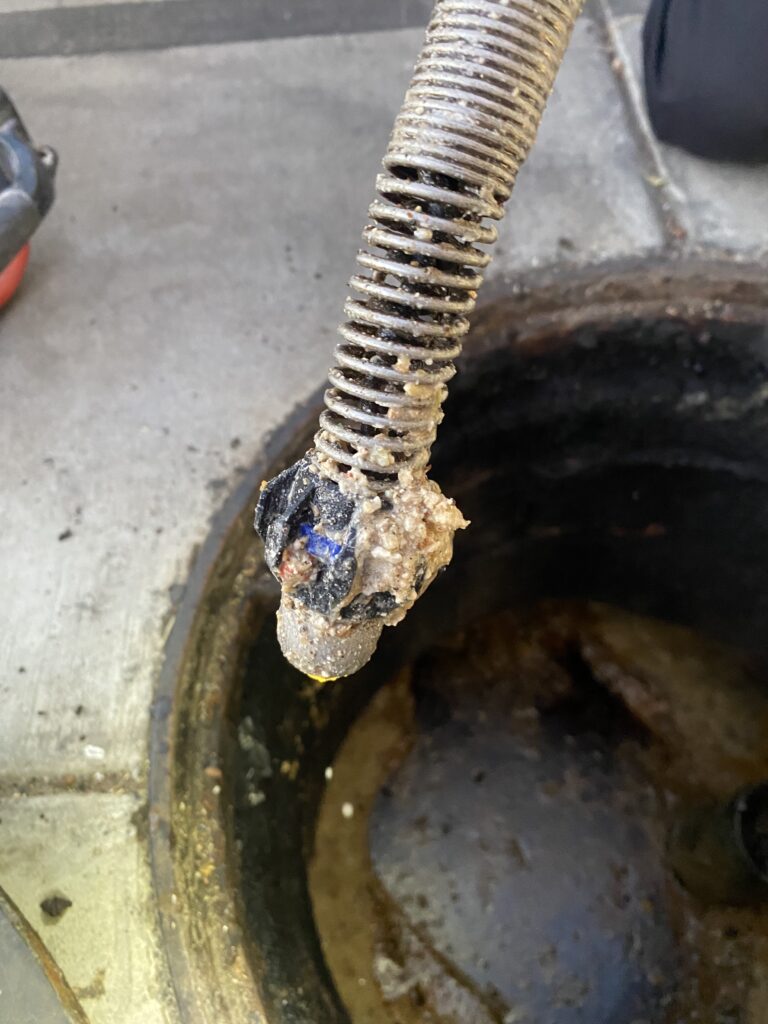
Grease, hair, flushable wipes, and tree roots are the most common culprits behind mainline slowdowns. A camera inspection identifies exactly which of these is causing your problem and where in the pipe it sits. Without that information, a plumber can only guess, and you might pay for repeated drain cleaning that never solves the root cause. The inspection also reveals whether the pipe itself has suffered structural damage from the buildup. Sometimes what looks like a simple clog is actually a collapsed section or a separated joint. Visual evidence changes the repair strategy completely.
If you have tried a plunger or a store-bought drain cleaner without results, that is another clear sign to schedule an inspection. Harsh chemical cleaners can damage older pipes and rarely clear serious blockages anyway. A professional plumber uses a camera to find the problem, then chooses hydro jetting or mechanical snaking based on what they see. This targeted approach fixes the issue on the first visit and keeps your pipes intact. Repeated failed attempts at DIY fixes waste money and often make the situation worse. A one-time inspection saves you from that cycle.
Unusual Smells Or Sounds Point To A Needed Sewer Line Inspection
Sewer lines are designed to be completely sealed from the inside of your home, and traps under every fixture hold water to block sewer gas. When you smell sewage inside the house or around the yard, that seal has been broken somewhere. The crack or break might be under the slab, in a wall, or in the yard itself. A camera inspection finds the exact location without destructive exploration. Sewer gas contains methane and hydrogen sulfide, which are harmful to breathe over time. Strong odors are a health issue, not just a nuisance.
Gurgling sounds from drains or toilets are another symptom that something is wrong with the venting or the main line. Air is supposed to move through a dedicated vent stack, but when the main line is partially blocked, air gets pulled through fixture traps instead. That creates the bubbling or glugging noise you hear when a drain empties. It also pulls water out of traps and lets sewer gas rise into the home. These sounds are easy to ignore, but they indicate real problems that get worse over time. A sewer line inspection identifies the cause and gives you a repair plan.
Soggy patches in the yard, unusually green grass over the pipe path, or small sinkholes are outdoor warning signs of a cracked or collapsed sewer line. Leaking sewage fertilizes the soil above it, which is why grass grows thicker in that spot. The saturation also destabilizes the ground and can eventually affect your foundation or driveway. Indoor flooding becomes a real risk once the yard has been saturated for a while. These visual clues give you a chance to act before the damage spreads. Book an inspection as soon as you notice any of these signs outside.
Recurring Backups Are A Clear Reason For A Sewer Line Inspection
If your toilet or floor drain has backed up more than once in the past year, the main sewer line needs immediate attention. A one-time backup can happen from a foreign object or a rare event, but repeat incidents point to a chronic problem. That might be a belly in the pipe, ongoing root intrusion, or a section that has partially collapsed. Each backup brings contaminated water into your home and causes damage to flooring, drywall, and belongings. Cleanup costs add up fast, and insurance may not cover repeated incidents. Finding the root cause ends the cycle.
A camera inspection shows the plumber the exact shape and condition of the pipe from inside. They can see where waste is hanging up, how severe any damage is, and whether repair or full replacement makes the most sense. Without that view, repeated snaking only clears the symptom for a few weeks at a time. You end up paying for the same service over and over while the underlying issue gets worse. A single inspection breaks that pattern and points you toward a permanent fix. Trenchless repair methods often make the solution less disruptive than homeowners expect.
Backups are also a serious health concern because raw sewage carries bacteria, viruses, and parasites. Children and pets are especially vulnerable to exposure in a backup situation. Professional cleanup is expensive, and some porous materials like carpet padding have to be thrown away entirely. Preventing the next backup is always cheaper than cleaning up after it. An inspection is the first step in that prevention. Need a professional sewer line inspection after a recurring backup? Click here for our sewer line inspection service.
Why You Need Rescue Plumbers Inc For Your Sewer Line Inspection
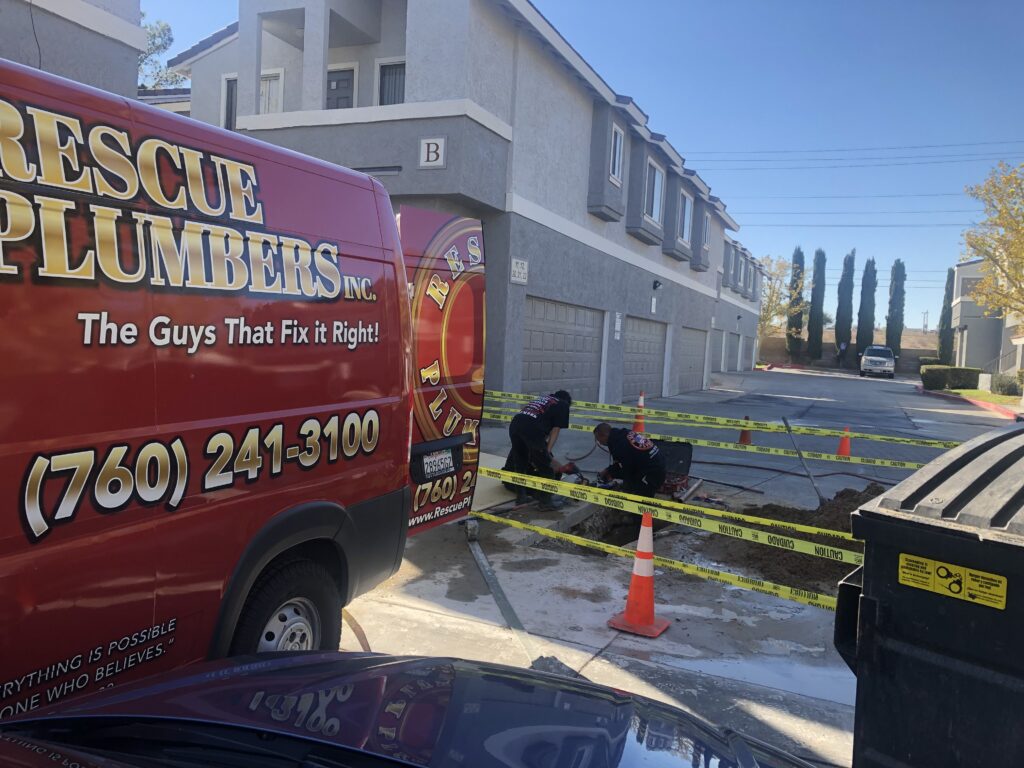
Choosing the right plumber for a sewer line inspection matters because the quality of the camera, the skill of the technician, and the honesty of the report all affect what happens next. A rushed or low-quality inspection misses problems and leaves you making decisions based on bad information. At Rescue Plumbers Inc, we take the time to scope the full length of your line and explain exactly what we see. We are a family-owned business serving the High Desert for 15 years, and our reputation depends on giving you straight answers. No commissions, no upsells, just clear information and fair pricing.
What Sets Our Sewer Line Inspection Service Apart
Our technicians use high-resolution camera equipment that shows the interior of your sewer line in clear detail. We record the full inspection and review the footage with you so you can see exactly what is happening inside the pipe. This transparency means you are never pressured into repairs you do not need. If the line is in good shape, we tell you so and send you on your way. If we find issues, we explain the options in plain language and give you time to make a decision. You get a free, no-obligation estimate for any recommended work.
We serve Phelan, Adelanto, Apple Valley, Hesperia, Victorville, and the surrounding High Desert communities. Our team knows the local soil conditions, common pipe materials in older neighborhoods, and the particular stresses that desert weather puts on underground plumbing. That local knowledge helps us spot problems faster and recommend solutions that actually work for this region. We are not a franchise reading from a script, we are your neighbors. That matters when trust is on the line.
Scheduling an inspection with us is simple and fast. Call our office, tell us when works for you, and our technician arrives on time with everything needed to complete the job. Most inspections take under an hour from start to finish. You walk away with clear video evidence, a written report, and a plain-language explanation of your pipe’s condition. No gimmicks, no hidden fees, and no pressure tactics.
The Benefits Of Regular Sewer Line Inspection Service
Regular inspections protect your home from the most expensive plumbing emergencies by catching problems when they are still small. A cracked pipe caught early might be repaired for a few hundred dollars, while the same crack ignored for two years can mean a full line replacement costing thousands. That same early detection also prevents property damage from backups, which often costs more than the plumbing repair itself. Flooring, drywall, and personal belongings all take a hit when sewage enters the home. An inspection is one of the highest-return investments in home maintenance.
Inspections also give you documentation for insurance claims and real estate transactions. A recent camera report proves the condition of your sewer line at a specific point in time. That record becomes valuable if something changes later and you need to determine when the damage occurred. It also reassures potential buyers if you decide to sell. Paperwork from a licensed, insured plumber carries weight in negotiations and claims. That paper trail has real financial value.
Knowing the condition of your sewer line reduces stress and helps you plan ahead. Replacing a sewer line is a significant expense, but knowing it will be needed in five years lets you budget for it. Surprise failures force panic decisions and often lead to higher costs from emergency service calls. Our inspection reports help you plan, save, and act on your own schedule. That control is worth a lot when it comes to your home.
Why Choose Rescue Plumbers Inc
Rescue Plumbers Inc has been serving the High Desert for 15 years as a family-owned and operated business. We are fully licensed, insured, and backed by professional credentials that show we take our craft seriously. Our non-commission-based service model means our technicians have no financial incentive to push unnecessary work. They focus on doing the job right, which is the only way we know how to run a plumbing company. That approach has earned us loyal customers across San Bernardino County.
We offer free, no-obligation estimates on every job so you know the price before any work starts. There are no surprise charges, no bait-and-switch pricing, and no high-pressure sales tactics. We treat every customer the way we would want our own family treated. That means showing up on time, explaining the work clearly, and standing behind every repair we make. Our truly local service means a real human answers the phone and a real neighbor shows up at your door.
When you call Rescue Plumbers Inc at (760) 241-3100, you are calling people who live and work in the same communities you do. We know the area, we know the pipes, and we know what it takes to keep your home running smoothly. Reach out for your sewer line inspection today and experience the difference that honest, family-owned service makes. Email us at fixit@rescueplumbersinc.com or stop by our office at 6083 Lindero Rd, Phelan, CA 92371. We look forward to earning your trust.