When It Is Time To Replace A Toilet
A toilet is one of the most used fixtures in any home, and like everything else, it has a lifespan. Most homeowners don’t think much about their toilets until something goes wrong, and by then, a minor issue can sometimes turn into a costly repair. Knowing when to repair a toilet and when to simply replace it is a practical skill that can save you both money and frustration over time.
The reality is that not every toilet problem calls for a full replacement. But there are specific signs and circumstances where holding onto an aging or malfunctioning toilet costs more in the long run than investing in a new one. For homeowners in Phelan, CA, where water conservation and efficient plumbing matter, understanding those signs is especially valuable. Here’s what to watch for and how to make the right call for your home.
Your Toilet Needs Constant Repairs
One of the clearest signs that it’s time to replace a toilet is when repairs become a recurring event. Replacing a flapper here or adjusting the fill valve there is a normal part of toilet maintenance, and those small fixes are generally worth doing. The problem arises when you find yourself calling a plumber repeatedly throughout the year for different issues, or when the same problem keeps coming back despite being repaired.
Every service call costs money. Parts cost money. And beyond the financial side, there’s the inconvenience of dealing with a toilet that never seems to be fully reliable. If you’ve had multiple repairs done in the past year or two and the toilet still isn’t functioning consistently, the cumulative cost of those repairs may already be approaching or exceeding what a new toilet would cost.
There’s also a practical ceiling on how much repair work makes sense for an older toilet. If the porcelain itself is compromised, if internal components are difficult to source, or if the toilet’s design is simply outdated and prone to issues, continuing to invest in repairs is a diminishing return. A new toilet comes with a warranty, modern components, and the kind of reliability that an aging fixture simply can’t offer.
Visible Cracks In The Porcelain
Cracks in a toilet, whether in the tank, the bowl, or along the base, are a serious warning sign that should never be ignored. Some cracks are superficial and only affect the surface appearance, but others compromise the structural integrity of the fixture and can lead to leaks that cause significant water damage to your flooring, subfloor, and the room below if your bathroom is on an upper level.
Hairline cracks are sometimes difficult to spot, and homeowners often discover them only after noticing water pooling around the base of the toilet or moisture damage on the ceiling of a room below. If you notice any unexplained dampness near your toilet, a crack in the porcelain is one of the first things to investigate. Running your hand along the outside of the tank and bowl, particularly around the waterline and near the base, can help identify cracks that aren’t immediately visible.
Once a crack appears in the porcelain, it cannot be permanently repaired. Sealants and patching compounds can provide a temporary fix, but porcelain under constant pressure from water weight and daily use will eventually fail at the point of the crack. The only lasting solution is replacement. Waiting too long risks a sudden failure that can release a significant amount of water into your home, turning what would have been a straightforward toilet replacement into a much more extensive and expensive repair.
Persistent Clogs And Poor Flushing Performance
Occasional clogs are a normal part of toilet ownership and don’t by themselves suggest a problem with the fixture. But when a toilet clogs frequently (multiple times per month) or when it consistently fails to flush waste effectively on the first attempt, that’s a different situation entirely.
Older, low-flush toilets from the 1990s are particularly prone to chronic clogging. These models were manufactured when water-efficient toilets were newly mandated by federal standards, but before manufacturers had fully refined the technology. The result was a generation of toilets that used less water but didn’t have the engineering to flush effectively with that reduced flow. If your toilet was installed during that era, it’s likely one of the culprits.
Beyond the annoyance factor, a toilet that regularly clogs carries real risk. Each clog is an opportunity for overflow, which can damage your flooring and create unsanitary conditions. If a partial clog goes unnoticed, it can also put strain on your drain line and contribute to larger plumbing problems further down the system. Replacing an inefficient, clog-prone toilet with a modern, high-efficiency model eliminates these issues and typically results in noticeably better flushing performance with every use.
There’s also the water usage angle. A toilet that requires two or three flushes to clear waste is defeating the purpose of water conservation, and in a region like Phelan where responsible water use is part of life, that inefficiency has real consequences on your water bill over time.
The Toilet Is Constantly Running
A toilet that won’t stop running is one of the most common, and most costly, plumbing issues homeowners face. The sound of water continuously cycling through the tank is more than just annoying; it represents gallons of water being wasted every hour, which adds up to a significant increase in your monthly water bill.
In many cases, a running toilet is caused by a faulty flapper, a worn fill valve, or an issue with the float mechanism. These are relatively inexpensive components, and replacing them is a reasonable repair for a toilet that is otherwise in good condition. The problem worth paying attention to is when repairs don’t resolve the running, or when the toilet returns to running again shortly after being repaired.

If your toilet has had its internal components replaced and it still runs intermittently, or if the tank itself has a crack that allows water to slowly leak out and trigger refilling, the toilet may be beyond the point where targeted repairs make financial sense. A continuously running toilet can waste thousands of gallons of water per month. When that ongoing waste is weighed against the cost of a new, properly functioning toilet, replacement becomes the smarter financial decision.
Wobbling Or Instability At The Base
A toilet that rocks, wobbles, or feels unstable when you sit on it is not something to dismiss as a minor inconvenience. While the cause is sometimes as simple as loose bolts at the base that can be tightened in minutes, wobbling can also indicate a more serious underlying problem.
If tightening the base bolts doesn’t resolve the movement, the next likely culprit is a damaged or deteriorated wax ring, the seal between the base of the toilet and the drain flange in the floor. When the wax ring fails, the toilet loses its secure seal, which allows movement and, more importantly, allows sewer gases and waste water to escape beneath the toilet and into the subfloor. This kind of moisture damage can go unnoticed for a long time while silently rotting wood and creating conditions favorable to mold growth.
In some cases, a wax ring replacement along with resetting the toilet on the flange is sufficient to restore stability. But when a wobbling toilet has been left unaddressed for a long time, or when the damage has spread to the floor structure, the situation becomes more complex. If the floor around the base of the toilet has softened or shows signs of rot, a full toilet replacement is often necessary as part of a broader repair to restore the floor and ensure the new fixture is set on a sound, stable surface.
High Water Consumption On An Old Model
If your home still has a toilet manufactured before the mid-1990s, it is almost certainly using far more water per flush than modern toilets require. Older toilets commonly used between 3.5 and 7 gallons per flush, an amount that seems staggering by today’s standards. Federal regulations introduced in 1994 set a maximum of 1.6 gallons per flush, and today’s WaterSense-certified models use as little as 1.28 gallons while delivering superior flushing performance.
For a household with multiple occupants, the water savings from replacing an old, high-consumption toilet can be substantial. The average person flushes a toilet roughly five times per day. Running those numbers across a household of four people over the course of a year, the difference between an old 3.5-gallon-per-flush toilet and a modern 1.28-gallon model represents tens of thousands of gallons of water saved annually. In a high desert community like Phelan, where water conservation is both environmentally and financially important, that difference matters.
Modern toilets also come with features that older models simply didn’t offer. Dual-flush technology allows users to choose between a lower-volume flush for liquid waste and a full flush for solid waste, maximizing efficiency without sacrificing performance. Pressure-assisted flushing systems provide a powerful, thorough flush with minimal water. These advancements mean that choosing water efficiency no longer requires any compromise on function.
The financial case for upgrading is straightforward. The water savings generated by a more efficient toilet will offset the cost of the fixture and installation over a reasonable period, and then continue delivering savings for the life of the toilet, which can easily be two decades or more with proper maintenance.
A toilet doesn’t have to be broken to justify replacement. Age, inefficiency, persistent problems, and structural issues are all valid reasons to consider upgrading a fixture that most of us take completely for granted. Recognizing the signs early gives you the opportunity to make a planned, informed decision rather than reacting to a failure at the worst possible moment.
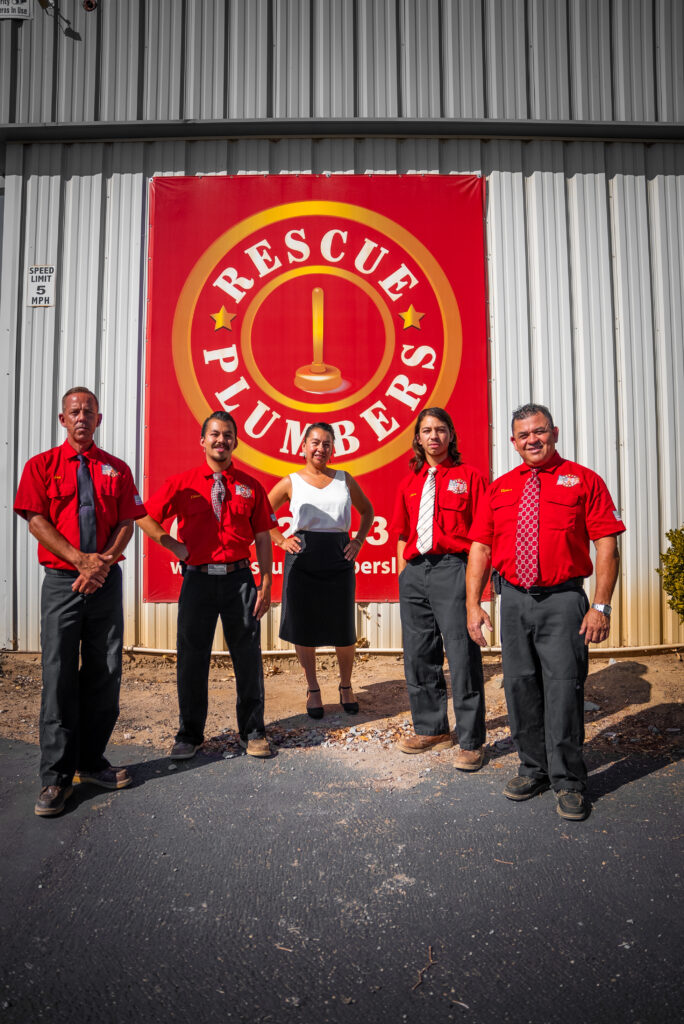
At Rescue Plumbers in Phelan, CA, we help homeowners evaluate their plumbing fixtures honestly and make recommendations that prioritize long-term value over short-term fixes. Whether you’re dealing with a toilet that’s been frustrating you for years or you simply want to upgrade to a more efficient model, our team is ready to help. Contact Rescue Plumbers today to schedule a consultation and find the right solution for your home.