
Why Your Faucet Keeps Dripping And What To Do About It
A dripping faucet sounds minor, but the problem signals real wear inside your fixture. Those steady drops add up fast on your water bill, and they often point to parts that have reached the end of their service life. Most drips come from a worn washer, a damaged cartridge, corroded valve seats, or high water pressure pushing past tired seals. Ignoring the sound leads to bigger issues like mineral staining in the sink, warped cabinet wood, and rising utility costs. Homeowners across the High Desert deal with this issue year-round because hard water speeds up internal wear. The good news is that most dripping faucets can be repaired quickly by a licensed plumber. Knowing the cause helps you decide when to repair and when to replace the fixture entirely.
What Causes A Faucet To Keep Dripping In Your Home
Faucets drip for specific mechanical reasons, and each cause has a clear fix. The internal parts inside a faucet work under constant pressure, and they wear down with daily use. Hard water in Phelan, Hesperia, and surrounding High Desert areas accelerates this wear because minerals grind against rubber seals and metal surfaces. A steady drip usually means one component has failed, but sometimes multiple parts need attention at once. Identifying the exact cause takes a trained eye, especially with modern cartridge and ceramic disc faucets. Understanding the common culprits gives you a clearer picture of what your plumber will likely find.
Common Faucet Dripping Causes From Worn Internal Parts
Rubber washers sit at the base of compression faucets, and they press against the valve seat to stop water flow. Over time, the washer hardens, cracks, or loses its shape from constant friction. Once that happens, water slips past the seal and creates a drip at the spout. Replacing the washer is often a simple fix, but the valve seat may also need attention. A plumber checks both parts because installing a new washer against a corroded seat only brings the drip back within weeks. Compression faucets are common in older homes throughout the High Desert, and they respond well to proper part replacement.
Cartridge faucets use a different design, and they rely on a sealed cartridge unit to control hot and cold flow. When the cartridge wears out, water leaks around the handle or drips from the spout even when shut off. Mineral buildup from hard water is the top reason cartridges fail in this region. The cartridge itself cannot always be cleaned; replacement is usually the right answer. Matching the correct cartridge to your faucet brand matters because the wrong size creates a poor seal. A professional plumber carries common cartridge types and identifies the right match quickly.
Ceramic disc faucets and ball faucets have their own failure points tied to seals, springs, and O-rings. Inside these fixtures, small rubber rings sit between moving parts, and pressure wears them down. When an O-ring fails, water escapes around the base of the handle or drips from the spout. Ball faucets contain several springs and seats that all need to function together for a tight shutoff. A single worn spring causes the entire faucet to drip. Replacing the full kit of internal parts gives the fixture a fresh start and usually stops the drip for years.
Corroded Valve Seats And Hard Water Faucet Dripping Issues
The valve seat connects the faucet spout to the internal assembly, and water flows directly across this surface. In areas with hard water, mineral deposits build up on the seat and create a rough texture. That rough surface damages any washer placed against it, which causes rapid wear and a returning drip. Corrosion also pits the metal, and pitted seats cannot hold a tight seal. Cleaning the seat helps in mild cases, but heavy corrosion calls for seat replacement. Special seat wrenches are needed to remove the part without damaging the faucet body.
Hard water in Phelan, Victorville, and Apple Valley carries calcium, magnesium, and other minerals that settle inside fixtures. These deposits build up on every internal part, not just the valve seat. Aerators clog, cartridges stiffen, and seals lose flexibility from constant mineral exposure. A faucet that worked fine for years can start dripping simply because buildup finally broke the seal. Water filtration helps slow this process, but all High Desert homes see some level of mineral impact. Regular maintenance keeps faucets working longer between repairs.
Replacing corroded parts solves the immediate drip, but the underlying water quality keeps causing wear. Homeowners who deal with frequent faucet repairs often benefit from a whole-home water treatment system. Softer water protects not only faucets but also water heaters, shower valves, and appliances. A plumber can inspect your current setup and explain the benefits of filtration for your specific home. Stopping the drip is the first step; protecting the fixture long-term is the real goal. Need a new fixture installed? Click here for our faucet installation service.
High Water Pressure Causes Faucet Dripping Problems
Water pressure that runs too high pushes past internal seals even when parts are in good condition. Most residential plumbing systems work best between 40 and 60 psi, and anything above 80 psi causes real damage. High pressure forces water through tiny gaps in washers, O-rings, and cartridges, which creates a drip that no part replacement will fully fix. A pressure test is the only way to know for sure what your system runs at. Homes connected to municipal water sometimes see pressure spikes during off-peak hours. Well-water homes with pressure tanks can also run high if the tank settings drift.
Signs of high pressure go beyond a dripping faucet. Banging pipes, running toilets, leaking water heaters, and short appliance lifespans all point to a pressure problem. A pressure regulator installed on the main line brings water down to a safe level for every fixture in the house. These regulators wear out over time and need replacement every 7 to 12 years on average. A plumber checks the regulator during a service call and replaces it when the reading stays too high. Fixing pressure saves every fixture in the home from premature wear.
Thermal expansion adds another layer to the pressure issue, especially in homes with closed plumbing systems. When water heats up, it expands, and that expansion has to go somewhere. Without an expansion tank, the pressure forces water back through the system and stresses every seal it meets. Faucets drip, toilets run, and water heaters suffer under this constant strain. Installing an expansion tank gives the heated water a place to go safely. Combining pressure regulation with an expansion tank protects the entire plumbing system for years.
How To Fix A Dripping Faucet The Right Way
Fixing a dripping faucet takes more than swapping a washer and hoping for the best. Each faucet type has a specific repair process, and skipping steps leads to return drips within days or weeks. A proper repair starts with identifying the faucet model, shutting off the correct water supply, and inspecting every internal component. Professional plumbers carry the right tools and replacement parts to complete the job in one visit. Homeowners who try repairs without the right parts often end up making multiple trips to the hardware store. Getting the fix right the first time saves money, water, and frustration.
Step By Step Faucet Dripping Repair Process
The first step in any faucet repair is shutting off the water supply at the angle stops under the sink. Turning the handles fully clockwise stops the flow to that fixture without affecting the rest of the home. Opening the faucet after the shutoff releases any remaining pressure in the line. A drain stopper or rag covers the drain to catch small parts during disassembly. Taking photos of each step during removal helps with reassembly, especially on unfamiliar faucet types. Organization matters because faucets have small springs, seats, and washers that are easy to lose.
Removing the handle exposes the internal assembly, and the method depends on the faucet style. Compression faucets have a packing nut that unscrews to reveal the stem. Cartridge and ceramic disc faucets often have a retaining clip or nut that holds the cartridge in place. Ball faucets require a specific tool to remove the cam and ball assembly. Each part comes out in a specific order, and forcing parts causes damage to the faucet body. A plumber knows the sequence for every common faucet brand and style.
Once the assembly is out, every rubber part, O-ring, and seal gets replaced at the same time. Installing only the obvious damaged piece leaves other worn parts that will fail next. The valve seat gets inspected and cleaned or replaced if corroded. New parts get a light coat of plumber’s grease to help them seat properly and move smoothly. Reassembly follows the reverse order of removal, with careful attention to handle alignment. Turning the water back on slowly lets you check for leaks before full pressure hits the seals.
When Faucet Dripping Repairs Call For Full Replacement
Some faucets reach a point where repair costs more than replacement makes sense. Fixtures older than 15 years often have discontinued parts, corroded bodies, or outdated designs that struggle with modern water pressure. Chrome finishes wear off, handles crack, and the base seals fail repeatedly. Putting new internal parts into a worn faucet body only delays the inevitable. A new faucet comes with a warranty, modern water-saving features, and better materials throughout. Replacement often pays for itself through lower water bills and fewer service calls.
Style and function matter too when deciding between repair and replacement. Pull-down kitchen faucets, touchless bathroom fixtures, and high-arc designs offer real improvements over older models. If the home is being updated or the faucet feels outdated, replacement combines repair with an upgrade. Modern faucets also meet current low-flow standards, which helps reduce water usage without sacrificing performance. A plumber helps you compare repair costs against a new fixture installation. The right choice depends on the faucet’s age, condition, and your long-term plans for the space.
Commercial settings and rental properties often benefit from full replacement over repeated repairs. Heavy use wears faucets faster, and downtime from a dripping fixture affects tenants or customers. A durable commercial-grade faucet handles constant use better than a basic residential model. Property owners save money over time by installing quality fixtures from the start. Need a new faucet installed right? Click here for our faucet installation service. Professional installation protects the warranty and ensures the fixture performs as designed.
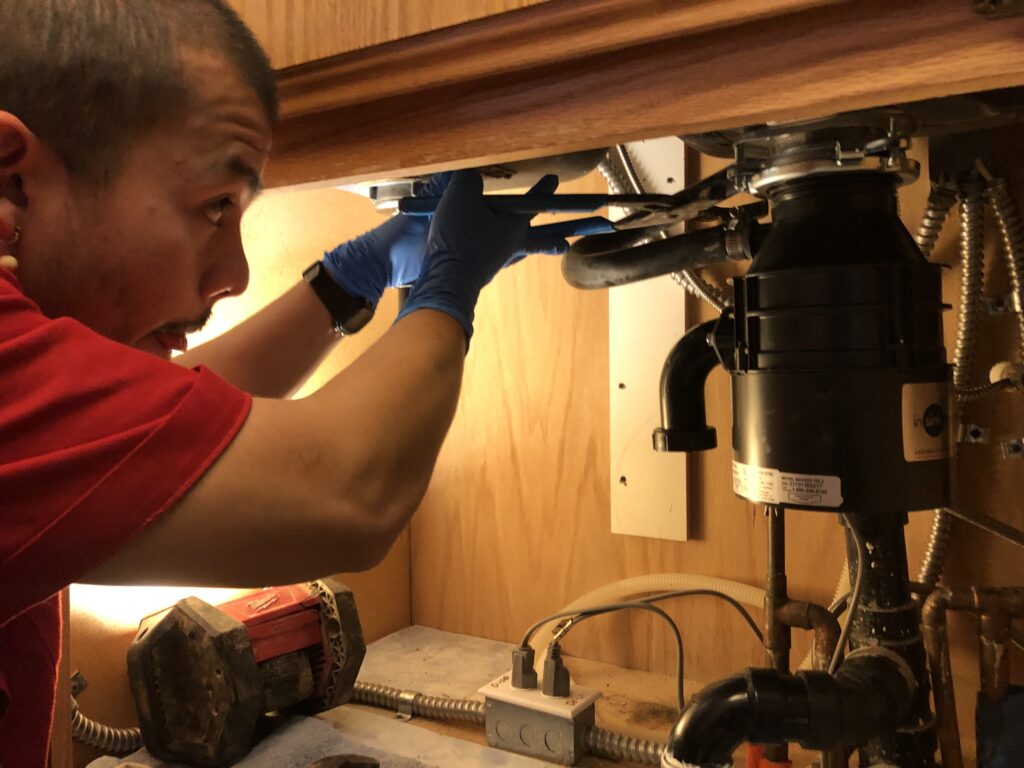
Tools And Parts Needed For Faucet Dripping Fixes
Basic faucet repairs call for adjustable wrenches, channel-lock pliers, Phillips and flathead screwdrivers, and an Allen wrench set. More specialized repairs need a seat wrench, cartridge puller, and faucet-specific tools from the manufacturer. Having the right tools prevents damage to chrome, brushed nickel, or other decorative finishes. Cheap tools slip and scratch the faucet, which ruins the look even after a successful repair. Professional plumbers invest in quality tools that protect the fixture during service. Proper lighting under the sink also matters because tight spaces make small parts easy to miss.
Replacement parts vary widely by faucet brand, model, and age. Moen, Delta, Kohler, Price Pfister, and other major brands each use different cartridges, seats, and seals. Generic parts sometimes fit, but they rarely seal as well as brand-specific replacements. Taking the old part to the hardware store helps match the correct size, but specialty parts often need to come from a plumbing supply house. A plumber carries common parts on the truck and knows where to find less common ones quickly. Matching parts correctly the first time saves repeat trips and repeat drips.
Plumber’s grease, thread seal tape, and a clean rag round out the basic supply list. Grease helps new seals move smoothly and seat properly against metal surfaces. Thread seal tape wraps around threaded connections to prevent small leaks at joints. A clean rag protects finished surfaces during repair and catches drips during reassembly. Keeping these supplies organized makes every repair go faster and smoother. Professional plumbers arrive with fully stocked trucks, which means most faucet repairs finish in a single visit.
Why You Need A Professional Faucet Repair Service
A dripping faucet might seem like a simple DIY project, but small mistakes create bigger problems. Over-tightening strips threads, wrong parts damage seals, and missed corrosion brings the drip right back. A professional plumber diagnoses the real cause, uses the correct parts, and backs the work with experience. Rescue Plumbers Inc serves Phelan, Victorville, Apple Valley, Hesperia, and the rest of the High Desert with honest, skilled service. Calling a licensed plumber protects your fixtures, your floors, and your water bill. The right repair done right lasts for years.
When To Call A Professional Faucet Repair Service
Multiple fixtures dripping at once signal a pressure or system-wide issue that calls for a plumber right away. A single stubborn drip that returns after a DIY repair also points to a deeper problem worth professional attention. Water pooling under the sink, stains on the cabinet floor, or a musty smell all indicate hidden damage. Catching these issues early prevents mold, wood rot, and costly cabinet repairs. A plumber inspects the full area and finds problems a quick repair might miss. Professional eyes catch what home repairs often overlook.
Older homes in Phelan, Wrightwood, and Pinon Hills often have faucets connected to galvanized or copper pipes that need careful handling. Disturbing old connections during a repair can trigger leaks further up the line. A plumber knows how to work with aged plumbing without creating new problems. Repiping may even come up as part of a larger repair conversation. Experienced plumbers spot warning signs in the surrounding plumbing during a faucet visit. That broader view saves homeowners from surprise leaks weeks after the repair.
Warranty coverage on faucets often requires professional installation and repair to stay valid. Major brands like Moen and Delta offer lifetime warranties, but only when qualified plumbers handle the work. Voiding a warranty to save on labor usually costs more in the long run. A licensed plumber documents the work properly and keeps the warranty intact. That protection matters when a fixture fails unexpectedly. Professional service combines skill, protection, and peace of mind in one visit.
Faucet Repair Service Benefits For Your Home
Professional faucet repair stops water waste, which shows up immediately on your monthly water bill. A single dripping faucet wastes thousands of gallons per year, and multiple drips add up fast. Fixing the problem right saves money month after month for the life of the fixture. Lower water bills also mean less stress on the septic or sewer system serving your home. Conservation matters in the High Desert, where every gallon counts. Repair pays for itself through long-term savings.
Protecting your fixtures and cabinets is another major benefit of timely repair. Constant dripping stains porcelain, chrome, and stone surfaces around the faucet. Water damage under the sink ruins cabinet wood, flooring, and baseboards. Catching the drip early stops the damage before it spreads. A clean, dry cabinet also prevents mold growth that affects indoor air quality. Healthy plumbing supports a healthy home overall.
Quality repair extends the life of the entire fixture, not just the repaired part. Replacing worn seals, cleaning mineral buildup, and checking surrounding components gives the faucet a fresh start. A well-maintained faucet can last 15 to 20 years or more with occasional service. That kind of lifespan makes the original investment pay off many times over. Professional plumbers treat faucets as complete systems, not just parts to swap. Comprehensive service delivers real results.
Why Choose Rescue Plumbers Inc For Faucet Repair Service
Rescue Plumbers Inc brings 15 years of hands-on experience to every faucet repair across the High Desert. As a family-owned and operated business, we treat every home like our own and every customer like a neighbor. Our plumbers are licensed, insured, and fully trained on every major faucet brand sold in Southern California. We never work on commission, so the advice you get focuses on what your home actually needs. Honest service and real human connection set us apart from larger chain operations.
Free, no-obligation estimates make it easy to get a clear picture of your repair costs before any work begins. We explain the problem, show you the worn parts, and walk through the repair options in plain language. No pressure, no upsells, and no surprise charges at the end of the job. Our truly local service means we know the water conditions, the common fixture types, and the typical plumbing layouts in every High Desert neighborhood. That local knowledge helps us fix problems faster and smarter.
Call Rescue Plumbers Inc at (760) 241-3100 for fast, reliable faucet repair throughout Phelan, Victorville, Apple Valley, Hesperia, and nearby communities. Need faucet repair now? Click here for our faucet repair service. Our team shows up on time, respects your home, and backs every repair with professional standards you can count on. Stop the drip, protect your home, and save on your water bill with help from a plumbing company that truly cares.