
What Causes Low Water Pressure In Phelan, CA Homes
If you’ve ever stepped into the shower expecting a strong, refreshing stream only to be met with a weak trickle, you already know how frustrating low water pressure can be. It’s one of those problems that seems minor at first but quickly becomes a daily annoyance that affects nearly everything: washing dishes, running the laundry, filling a pot for dinner, or just rinsing your hands. For homeowners in Phelan, CA, low water pressure is a surprisingly common complaint, and the causes behind it are often more specific to this region than people realize.
Phelan sits in the High Desert of San Bernardino County, and that location comes with its own set of challenges when it comes to plumbing and water delivery. Whether your home is on a well system or connected to a municipal supply, the desert environment, local infrastructure, and the age of your plumbing all play a role in the pressure you experience at your fixtures. Understanding what’s behind the problem is the first step toward actually fixing it.
Your Home’s Plumbing System Could Be the Culprit
One of the most overlooked causes of low water pressure is the condition of the plumbing inside your own home. Over time, pipes corrode, accumulate mineral deposits, and develop partial blockages that restrict the flow of water. In older homes especially, this kind of buildup can happen gradually enough that homeowners don’t notice the slow decline in pressure until it becomes a real problem.
In Phelan and the surrounding High Desert, the water supply is notoriously hard. Hard water contains elevated levels of minerals like calcium and magnesium, and as that water flows through your pipes year after year, those minerals deposit on the interior walls of the pipes. This is called scale buildup, and it’s essentially the same process that leaves white residue on your faucets and showerheads. Inside your pipes, though, you can’t see it happening. The diameter of the pipe slowly narrows, and the pressure drops as a result.

Galvanized steel pipes, which were commonly used in homes built before the 1980s, are particularly prone to this kind of internal corrosion. If your Phelan home is older and you’ve never had the pipes inspected or replaced, there’s a good chance that corrosion is contributing to your low pressure. Copper and PEX pipes tend to hold up better over time, but they’re not immune to problems either, especially if the installation was done incorrectly or if fittings have begun to wear down.
Pressure Regulators and Their Role in Your Home’s Water Flow
Most homes connected to a municipal water supply have a pressure regulator, also called a pressure reducing valve or PRV, installed near the main shutoff. This device is designed to take the higher pressure coming in from the street and reduce it to a safe level for your home’s plumbing. The typical target range is somewhere between 45 and 80 psi. When the regulator is working correctly, you’ll never need to think about it. When it starts to fail, water pressure can drop significantly throughout the entire house.
A failing pressure regulator doesn’t always announce itself in obvious ways. Sometimes pressure simply drops across all fixtures at once. Other times the drop is gradual and easy to dismiss as something else. Because the PRV is often tucked away near the water meter or in a utility area, homeowners rarely check it or even know it exists. A licensed plumber can test the pressure on either side of the valve to quickly determine whether it’s the source of the problem.
It’s also worth noting that pressure regulators don’t last forever. Most have a functional lifespan of somewhere between 10 and 15 years. If yours hasn’t been inspected or replaced in that timeframe, it may simply be reaching the end of its life. Replacing a regulator is a relatively straightforward job for a plumber and can restore full pressure almost immediately.
How Well Systems Affect Water Pressure in Phelan
A significant number of homes in Phelan rely on private well water rather than a municipal supply. Well systems introduce a different set of variables when it comes to water pressure, and problems can arise from several points in the system. The well pump, the pressure tank, and the pressure switch all work together to maintain consistent pressure, and a failure in any one of those components can result in weak flow throughout the house.
The pressure tank is particularly important to understand. It stores water under pressure so that the pump doesn’t have to cycle on and off every time you open a faucet. Inside the tank is a bladder or diaphragm that separates the water from a pocket of air. When that bladder fails, the tank becomes waterlogged, which means it fills completely with water and loses its ability to maintain pressure. The pump ends up cycling rapidly, and pressure at the fixtures becomes inconsistent or noticeably low.
Well pumps can also lose efficiency as they age or if they’re not properly sized for the depth of the well or the demand of the household. In the High Desert, where well depths can be considerable, the pump has to work hard to bring water to the surface. If the pump is wearing out, undersized, or struggling due to a drop in the water table, pressure at your taps will suffer. Having your well system inspected by a plumber who understands the local geology and well conditions in Phelan is important for diagnosing these kinds of issues accurately.
Leaks in the System You May Not Know About
Hidden leaks are another common reason for low water pressure, and they can be surprisingly difficult to detect. When water is escaping somewhere in your plumbing before it ever reaches your fixtures, there’s simply less pressure available at the point of use. A significant enough leak can cause a noticeable drop in pressure throughout the home, while a smaller leak might only affect one area or cause a more subtle change that builds over time.
In Phelan, the soil conditions and temperature extremes of the High Desert can be tough on underground pipes. Hot summers and cold winter nights cause pipes to expand and contract repeatedly, and over years of thermal stress, that movement can weaken joints and fittings. Underground leaks can go undetected for a long time because the water may absorb into the dry desert soil without causing visible pooling or wet spots on the surface.
Inside the home, leaks can occur behind walls, under slabs, or beneath flooring. Signs that you might have a hidden leak include the sound of running water when nothing is turned on, unexplained increases in your water bill, warm spots on your floor, or damp areas on walls and ceilings. If you suspect a leak, it’s important to have a plumber inspect the system promptly. Water damage that starts small can become a costly structural problem if left unaddressed.
Municipal Supply Issues and the Local Water Infrastructure
For homes connected to the local water supply in Phelan, pressure can also be influenced by factors entirely outside your property. The municipal system serving the area has its own network of mains, valves, and infrastructure, and problems within that system can translate to reduced pressure in homes throughout a neighborhood or even a wider area.
High demand periods are one common cause of temporary pressure drops on a municipal system. When many households are using large amounts of water at the same time, early mornings and evenings tend to be peak usage periods, the available pressure in the distribution system can dip. This kind of pressure fluctuation is usually temporary, but if you notice consistently low pressure at certain times of day, it may point to a broader supply issue rather than a problem within your own home.
Main breaks, infrastructure maintenance, and aging distribution lines can also cause pressure problems that affect multiple homes at once. If your neighbors are experiencing the same issue you are, it’s worth contacting the local water district to report the problem and ask whether there’s a known issue in your area. In other cases, the problem may be isolated to the water line that connects your home to the municipal main, known as the service line. Corrosion, mineral buildup, or physical damage to the service line can restrict flow and lower pressure even if the main itself is functioning properly.
Fixture and Appliance Issues That Mimic Low Pressure
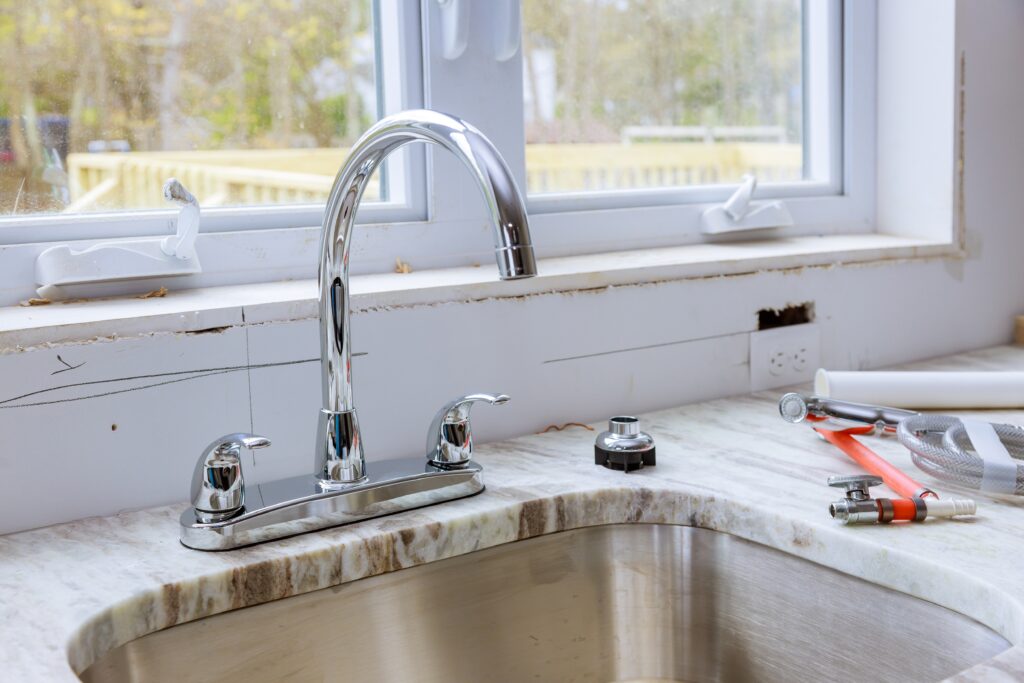
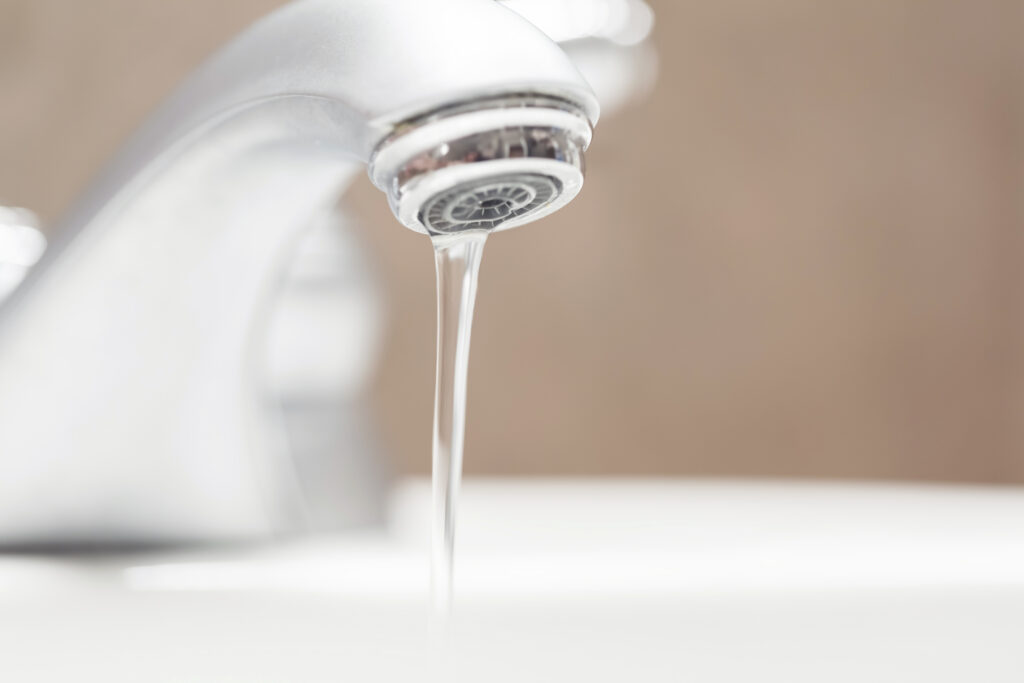
Sometimes what feels like a whole-house pressure problem is actually isolated to a specific fixture or appliance. Faucet aerators and showerheads are small screens or flow restrictors that can become clogged with mineral deposits over time. Because the water in Phelan is so mineral-heavy, these components tend to need cleaning or replacement more frequently than in areas with softer water. A showerhead that’s fully clogged with scale might deliver barely a fraction of the flow it was designed for, making it feel like a pressure problem when it’s actually just a blocked fixture.
Shutoff valves that aren’t fully open can also cause localized pressure drops. If a valve under a sink or behind a toilet was closed for a repair and not opened all the way afterward, the flow to that fixture will be restricted. These valves can also corrode over time in a way that prevents them from opening fully even when you try to turn them. Checking that all shutoff valves in your home are fully open is a simple first step that’s easy to overlook.
Appliances like dishwashers and washing machines have inlet screens that filter the water coming in, and those screens can clog just like aerators. If you notice that the machine takes longer than usual to fill or doesn’t seem to have enough water pressure to operate properly, checking and cleaning those inlet screens might solve the problem without any plumbing work at all.
When Multiple Fixtures Are Affected Simultaneously
One useful way to narrow down the cause of low water pressure is to pay attention to whether the problem affects all fixtures in the home at once or only certain ones. If every faucet, showerhead, and appliance in the house is experiencing low pressure at the same time, the issue is most likely located somewhere near the start of the supply: the main shutoff, the pressure regulator, the water meter, or the supply line coming into the home.
If pressure is only low in certain areas or at certain fixtures, the problem is more likely located further downstream. A single bathroom with low pressure might point to a clogged branch line or a failing shutoff valve. Low pressure only in hot water fixtures suggests a problem with the water heater or the hot water supply lines specifically. Water heaters can develop sediment buildup inside the tank over time, particularly in hard water areas, and that sediment can restrict the flow of hot water out of the unit.
Taking note of when and where the pressure drops happens is one of the most helpful things a homeowner can do before calling a plumber. The more information you can provide about the pattern of the problem, the faster a skilled plumber can identify the root cause and get your pressure back to where it should be.
Low water pressure in Phelan, CA homes is rarely a mystery without a solution. Whether it stems from hard water scale inside aging pipes, a failing pressure regulator, issues with a well system, a hidden leak somewhere in the plumbing, a clogged fixture, or problems with the local supply infrastructure, there is almost always a diagnosable and fixable cause behind it. The key is having someone with the right experience take a thorough look at your specific situation rather than guessing or applying a generic solution that doesn’t address the actual source of the problem.

At Rescue Plumbers, we understand the unique plumbing challenges that come with living in the High Desert. From well systems and hard water issues to older home plumbing and everything in between, our team has the local knowledge and hands-on experience to diagnose low pressure problems accurately and fix them the right way. If your home in Phelan is struggling with weak water pressure, don’t put up with it any longer. Give us a call and let us take a look; restoring strong, reliable water pressure throughout your home is exactly what we’re here to do.