
Signs Of A Slab Leak You Should Never Ignore
A slab leak hides under the concrete foundation of your home, and it can cause serious damage long before you notice it. Water lines run beneath that slab, and a small crack or pinhole can release gallons of water every single day. Many homeowners in Phelan and across the High Desert never think about these pipes until a problem grows too large to miss. The trouble with a slab leak is that the warning signs often look minor at first. A slightly higher water bill or a faint sound of water can seem harmless. Those small clues point to a much bigger issue building beneath your feet. The faster you catch a slab leak, the less money and stress you spend on repairs. This guide walks you through the signs you should never ignore and the steps that protect your foundation.
Common Warning Signs Of A Slab Leak In Your Home
Your home gives you clear hints when a slab leak starts, and learning to read them saves you from costly damage. The signs show up in places you use every day, from your floors to your water meter. Some warnings appear suddenly, while others build slowly over weeks. A trained eye spots the pattern quickly, yet most homeowners miss the early signals. You do not need special tools to notice the first red flags. You only need to know what to watch for around your house. The sections below break down the most common warning signs of a slab leak. Each one deserves your attention before the problem spreads.
How A Slab Leak Shows Up On Your Water Bill
Your water bill is one of the first places a slab leak reveals itself, and it often happens without any visible warning inside the home. When a pipe under the concrete cracks, water keeps flowing even when every faucet is off. That constant flow drives your usage up month after month. A bill that climbs for no clear reason should make you pause and look closer. Many families assume the higher cost comes from extra showers or yard watering. The real culprit can be a steady leak hidden below the slab. A sudden jump of twenty or thirty percent often points straight to a plumbing problem. Tracking your bill across several months helps you catch the trend early.
A simple test confirms a suspected leak before you ever call a plumber. Turn off every water source in your home, including the dishwasher, the washing machine, and all faucets. Then walk outside and check the water meter for movement. A meter that keeps spinning with everything shut off means water is escaping somewhere in the system. That hidden flow frequently traces back to the lines beneath your foundation. This quick check costs you nothing and takes only a few minutes. It gives you solid proof that something needs a professional eye. Once you see that meter moving, you should act without delay.
Ignoring a rising water bill only makes the problem worse and far more expensive. A small leak today can grow into a major break tomorrow, and the water keeps damaging your foundation the entire time. Mineral deposits, mold, and soil shifting all follow a leak that runs for weeks. The cost of wasted water adds up fast, and so does the cost of structural repair. Catching the issue while the bill is your only symptom keeps your repair simple and affordable. Need slab leak detection? Click here for our leak detection service. A quick inspection now prevents a painful bill later. Your wallet and your foundation will both thank you for moving fast.
The Sound Of Running Water That Points To A Slab Leak
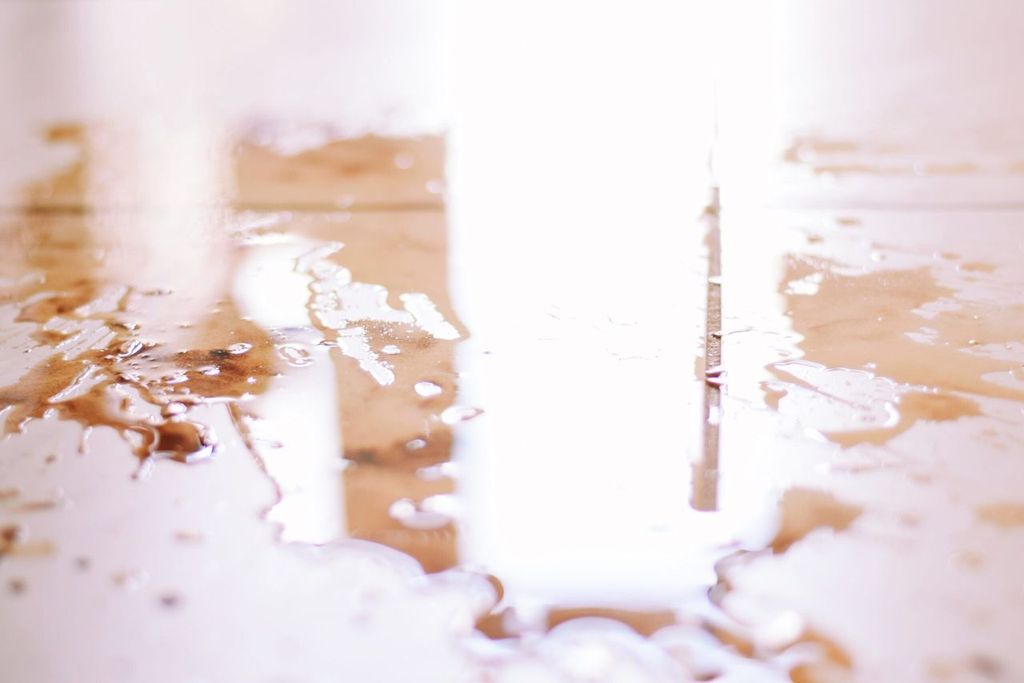
A faint sound of running water inside a quiet home is one of the clearest signs of a slab leak. When all your fixtures sit unused, you should hear nothing from your pipes. A soft hiss, a trickle, or a steady rush behind the walls or under the floor tells a different story. That noise means water is moving through a break that should not exist. Many homeowners first notice it late at night when the house falls silent. The sound often grows louder as the leak widens over time. Trusting your ears here can save you from weeks of hidden damage. If you hear water that has no business running, take it seriously.
Locating the exact spot by sound alone is difficult, and that is where guesswork hurts you. Water travels along pipes and through concrete in ways that fool the ear. You might hear the noise in the kitchen while the actual break sits under the hallway. Tearing into the wrong section of slab wastes money and creates a bigger mess. Professional plumbers use electronic listening equipment and pressure testing to pinpoint the source. That precise approach protects your floors from needless damage. The right tools turn a vague sound into an exact location. This accuracy is the difference between a small repair and a torn up house.
The longer that sound continues, the more damage your home absorbs beneath the surface. Constant water flow erodes the soil that supports your foundation and weakens the concrete above it. Over time, you may see cracks in walls, sticking doors, or uneven floors. These structural problems cost far more to fix than the original pipe ever would. Acting at the first sound keeps the repair contained and the price low. Our team in Phelan responds quickly to track down hidden leaks across the High Desert. A short inspection often locates the break before it threatens your foundation. Listening to your home today protects its value for years to come.
Warm Floors And Mold That Signal A Slab Leak
Warm spots on your floor often signal a slab leak in a hot water line beneath the concrete. As heated water escapes the pipe, it warms the surface above the break. You might feel the change with your bare feet as you walk across a tile or wood floor. Pets sometimes gather on these warm patches before anyone else notices them. A floor that feels hot in one area with no clear reason deserves a closer look. This sign points to a leak in the hot water supply specifically. Catching it early limits the heat damage to your flooring and subfloor. Trust that strange warmth as a real clue, not a quirk.
Mold and mildew thrive on the moisture a slab leak feeds into your home. Water that seeps up through the foundation creates damp conditions under carpets and inside walls. You may smell a musty odor before you ever see a spot of mold. That smell tends to linger no matter how often you clean the area. Mold growth threatens both your home and the health of everyone inside it. People with allergies or asthma feel the effects of poor indoor air quickly. A persistent musty smell with no visible cause often traces back to a hidden leak. Following that odor to its source protects your family and your house.
Damaged or warped flooring is a later sign that a slab leak has gone unchecked for too long. Hardwood planks cup and buckle as they soak up moisture from below. Tile grout cracks, and carpet stays damp in spots that never seem to dry. Laminate floors lift at the seams and lose their flat surface. By the time flooring shows this much damage, the leak has likely run for weeks or months. Replacing floors costs far more than repairing the pipe that caused the trouble. A repipe may be the smart fix when old lines keep failing under the slab. Curious about replacing failing pipes? Click here for our repiping service.
What Causes A Slab Leak And Why You Should Never Ignore One
Understanding what causes a slab leak helps you spot the risk before it turns into a disaster. These leaks rarely happen for a single reason, and several factors often work together. The pipes under your foundation face pressure, chemistry, and movement every day. Age plays a major role, since older homes carry older plumbing materials. The soil and water conditions in the High Desert add their own challenges to the mix. Knowing the root causes makes the warning signs easier to take seriously. The sections below explain the most common reasons a slab leak forms. Each cause builds the case for fast action rather than wishful thinking.
How Corrosion Leads To A Slab Leak
Corrosion is one of the leading reasons a slab leak develops in older homes. Metal pipes react with the minerals and chemistry in your water over many years. Copper lines slowly thin out as tiny reactions eat away at the pipe wall. Eventually a pinhole forms, and water begins to escape into the slab. The process is silent and invisible until the leak grows large enough to notice. Hard water with heavy mineral content speeds up this breakdown. Homes across the High Desert often deal with water that wears on pipes faster than average. Time and chemistry together create the perfect setup for a corrosion leak.
The type of metal in your pipes shapes how quickly corrosion takes hold. Older galvanized steel lines rust from the inside and lose strength over the decades. Copper resists rust but still suffers from pinhole leaks in harsh water conditions. When two different metals connect, a reaction called galvanic corrosion can speed the damage. Soil chemistry around the foundation also attacks pipes from the outside. Acidic or salty ground slowly wears through the protective surface of the metal. Both the inside and the outside of a pipe face constant threats. That double attack explains why so many slab leaks trace back to corrosion.
Once corrosion starts, it rarely stays in one place along the pipe. A line that develops one pinhole often grows more in the months that follow. Patching a single spot may buy time, yet the rest of the pipe keeps aging. This pattern is why many plumbers recommend repiping for homes with widespread corrosion. Replacing the old lines ends the cycle of repeated leaks for good. A full repipe restores strong, reliable water flow throughout the house. Solving the root cause beats chasing one leak after another. Strong new pipes give you peace of mind for decades.
How Poor Installation Causes A Slab Leak
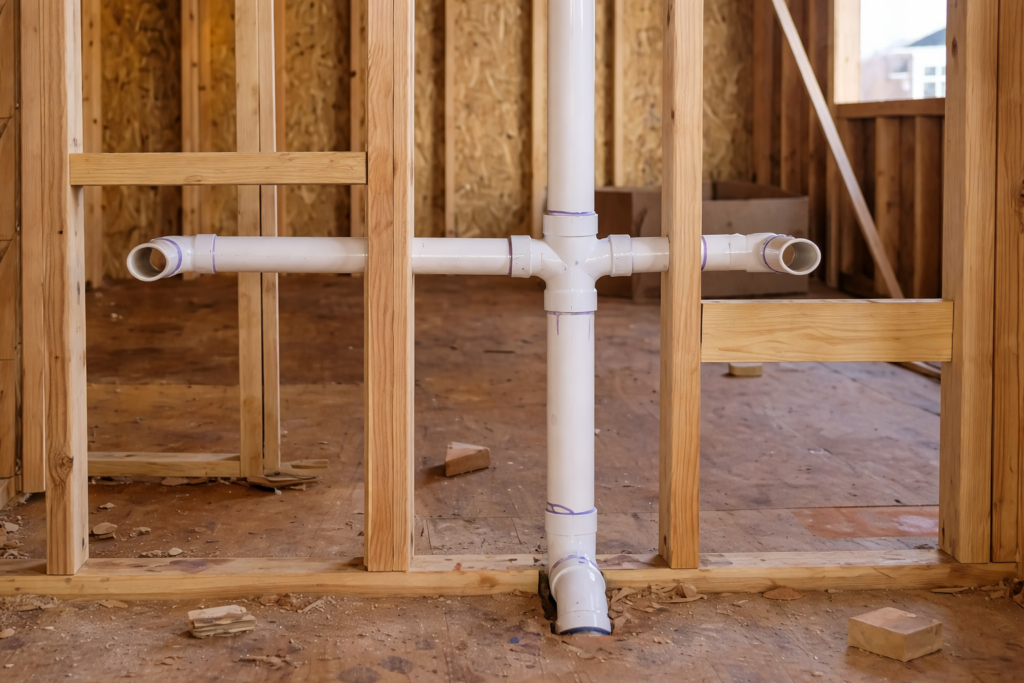
Poor installation is a common cause of slab leaks in both new and older homes. When pipes are bent, kinked, or crowded during construction, they carry stress from day one. A line pressed too tightly against rebar or concrete wears down at the contact point. Over time that friction grinds a hole through the pipe wall. Rushed work and low quality materials make these failures far more likely. A leak from bad installation can appear within a few years of a build. Quality matters most in the parts of your plumbing you never see. The hidden lines under your slab deserve careful, skilled work.
Improperly soldered joints and loose fittings often leak under the pressure of daily use. A connection that was never sealed correctly slowly weeps water into the surrounding concrete. These small failures hide for a long time because the slab covers them completely. By the time the leak surfaces, the damage has already spread through the foundation. Cutting corners during installation always costs more in the long run. Skilled plumbers take the time to test every joint and fitting before sealing the slab. That extra care prevents leaks that would otherwise haunt a home for years. Good workmanship up front saves you from expensive repairs later.
Pipes that lack proper protection from concrete and soil fail faster than pipes that are wrapped and cushioned. Direct contact between metal and concrete invites corrosion and abrasion at the same time. A line without a protective sleeve has no defense against the rough surface around it. Builders who skip these basic steps set the stage for future slab leaks. When old plumbing was installed poorly, replacing it often makes more sense than repeated patching. A modern repipe uses better materials and correct installation methods. That upgrade removes the original mistakes and protects your home for decades. Doing the job right the first time always pays off.
How Soil And Pressure Create A Slab Leak
The soil beneath your foundation plays a quiet but powerful role in causing slab leaks. Ground that expands and contracts with moisture shifts the concrete above it. As the slab moves, the pipes underneath bend and strain against the pressure. Enough movement cracks a joint or splits a line over time. The High Desert sees dramatic swings in moisture and temperature throughout the year. Those swings put extra stress on every pipe buried under a home. Stable soil keeps pipes safe, while shifting soil slowly destroys them. Your foundation and your plumbing both depend on the ground staying put.
High water pressure pushes your pipes harder than they were built to handle. Strong pressure feels great in the shower, yet it strains every joint in the system. Lines under the slab take this stress without any way to flex or expand. Over months and years, that constant force wears down weak points in the plumbing. A pressure regulator protects your pipes by keeping the flow within safe limits. Homes without one often see leaks form earlier than they should. Checking your water pressure is a simple step that prevents big problems. Keeping pressure in the right range adds years to your plumbing.
Abrasion happens when shifting soil and pressure rub a pipe against the concrete again and again. Each tiny movement scrapes a little more material from the pipe wall. Given enough time, that friction wears straight through and creates a leak. This slow grinding explains why some slab leaks appear in homes with no obvious plumbing flaws. The forces of nature work against buried pipes every single day. Protecting those lines requires correct installation and stable conditions from the start. When repeated leaks point to deeper trouble, replacing the lines solves the problem at its root. A planned repipe stops the cycle before it drains your savings.
Why You Need Professional Slab Leak Detection And Repair
A slab leak is not a problem you should try to chase on your own. The pipes sit hidden under concrete, and finding the exact break takes specialized tools and training. Guesswork leads to broken floors, wasted money, and a leak that keeps running. Professional detection saves your home from needless damage and your wallet from rising costs. The right team locates the leak fast and repairs it the correct way the first time. Calling an expert early is the smartest move you can make for your foundation.
Why Fast Slab Leak Detection Protects Your Home
Fast slab leak detection stops damage before it spreads through your foundation. Every hour a leak runs, water eats away at the soil and concrete that support your home. Catching the break early keeps the repair small and the cost low. Modern detection tools find the exact spot without tearing up your entire floor. That precision protects your tile, wood, and carpet from unnecessary harm. Speed truly is your best defense against a hidden leak.
Professional plumbers use electronic equipment that hears and traces leaks through solid concrete. Acoustic sensors, pressure tests, and cameras reveal what the eye cannot see. This technology turns a vague suspicion into a clear answer within hours. You avoid the guesswork that leads to multiple holes in your slab. The faster the leak is found, the sooner your home returns to normal. Need expert slab leak detection? Click here for our leak detection service.
Early detection also protects the value of your property over the long term. A home with a documented, properly repaired leak holds its worth far better than one with hidden damage. Buyers and inspectors notice foundation problems quickly during a sale. Fixing a slab leak the right way keeps your records clean and your home strong. Waiting only adds repair costs and lowers the value of your investment. Acting fast is always the wiser financial choice.

Why Professional Slab Leak Repair Saves Money
Professional slab leak repair saves money by solving the problem completely the first time. A do it yourself patch often misses the real source and lets the leak continue. Repeated failed attempts cost more than a single expert repair ever would. Trained plumbers choose the right method for your specific situation. They weigh spot repair, rerouting, and repiping to find the best value. The correct fix protects your budget for years to come.
Skilled technicians limit the damage to your home during every repair. Instead of breaking through large sections of floor, they target the exact leak location. This careful approach keeps your restoration costs low and your home livable. A precise repair means less concrete to replace and less flooring to redo. Smart work in the moment prevents a long and costly rebuild. Saving your floors saves you a great deal of money.
A professional repair also comes with the knowledge and guarantees that protect your investment. Licensed plumbers stand behind their work and use materials built to last. That reliability means you will not pay twice for the same leak. Quality parts and proper methods keep your plumbing strong for decades. The money you spend on an expert today prevents far larger bills tomorrow. Smart spending now is true savings over the life of your home.
Why Choose Rescue Plumbers Inc For Slab Leak Repair
Rescue Plumbers Inc brings fifteen years of trusted experience to every slab leak we repair. We are a family owned and operated company that treats your home like our own. Our team serves Phelan and communities across the High Desert with truly local service. We never work on commission, so you get honest advice instead of an upsell. Every estimate we provide is free and carries no obligation. You deal with real people who care about doing the job right.
Our plumbers are licensed and insured, and we stand behind our professional credentials. We use advanced detection tools to find slab leaks quickly and accurately. That skill protects your floors and your foundation from needless damage. We explain every step in plain language so you always know what is happening. Clear communication builds the trust that has carried us for fifteen years. You can count on us to show up, listen, and solve the problem.
When a slab leak threatens your home, fast and reliable help is one call away. Reach Rescue Plumbers Inc at (760) 241-3100 for prompt service across the High Desert. Visit us at 6083 Lindero Rd, Phelan, CA 92371, or email fixit@rescueplumbersinc.com. We deliver real human connection along with expert plumbing repair. Our family is ready to protect your home from costly water damage. Call today and let us put fifteen years of experience to work for you.