Signs Your Pipes Are Corroding From The Inside
Pipe corrosion almost never announces itself on day one, and that is exactly what makes it so expensive for High Desert homeowners. The damage starts on the inside surface of the pipe wall, where water contacts bare metal hour after hour, year after year, until the wall thins and the interior narrows with rust and scale. By the time a homeowner in Phelan or Oak Hills notices a wet spot in the drywall, that pipe has usually been failing quietly for a decade or longer. Late summer and early fall are a smart time to look for the warning signs, because household water use has been running hard through the hot months and any weakness in the system tends to show itself now rather than later. The good news is that corroding pipes give off very clear clues once you know what you are looking at, and most of those clues cost nothing to check. Discolored water, falling pressure, metallic taste, green or white crust at the joints, and repeat leaks in the same area all point toward the same underlying problem. This guide walks through the signs your pipes are corroding from the inside, what causes that corrosion in our local water conditions, and what a licensed plumber can do about it before a slow problem turns into an emergency.
Early Signs Your Pipes Are Corroding From The Inside
The earliest signs of interior pipe corrosion show up in the water itself, long before anything drips onto a floor. Corroding metal sheds particles, and those particles travel with the water into your tub, your sink, your washing machine, and your ice maker. Your plumbing system is essentially telling you what is happening inside the walls, and most homeowners simply have not been told how to read the message. Pay attention to what the water looks like after the house has been quiet overnight, what the pressure feels like at the far end of the house, and what the water tastes like straight from the cold tap. Changes that arrive gradually are the ones people miss, because the mind adjusts to a slow decline and calls it normal. Write down what you notice and when you notice it, since patterns matter more than any single event. A plumber can diagnose the problem far faster when you can describe which fixtures are affected and at what time of day.
Water Discoloration Signs Your Pipes Are Corroding From The Inside
Rust colored, yellow, or brown water is the single most recognizable sign that your pipes are corroding from the inside, and it usually shows up first thing in the morning. Water that sits still inside a corroded pipe overnight has hours to pick up iron oxide from the pipe wall, so the first draw of the day carries the heaviest load of sediment. If you turn on a bathroom faucet at six in the morning and the water runs tan for several seconds before clearing, that is corrosion product flushing out of the supply line. The same test done at noon may look perfectly clean, which is why so many people talk themselves out of calling a plumber. Pay attention to which tap does it, because the location narrows down the failing section of pipe considerably. Discoloration at only the hot side often points to the water heater or the hot water lines rather than the whole system. Discoloration at both hot and cold taps across multiple fixtures usually means the main supply lines throughout the house are involved.
Staining is the quieter version of the same signal, and it builds up so slowly that people blame the cleaning products instead of the plumbing. Look at the porcelain under the drain in a bathroom sink, the area around the tub overflow, and the inside of the toilet tank. Reddish brown streaks mean iron is in the water, and in an older home with steel supply lines that iron is coming from the pipes themselves. Blue or green staining is a different story and points to copper, which dissolves into the water when the interior of copper piping is being attacked by acidic or aggressive water chemistry. White laundry that comes out of the washing machine looking dingy or slightly orange is another common complaint that traces back to corroding supply lines. Homeowners often replace the washer or switch detergents before anyone thinks to test the water. A plumber can usually confirm the source in one visit by comparing water drawn at the main shutoff to water drawn at an interior fixture.
Sediment and grit in the water are the late stage version of discoloration, and they signal that corrosion has progressed well past the surface layer. Faucet aerators that clog every few weeks with black, orange, or sandy debris are catching material that broke loose from inside the pipe. Toilet fill valves that stick open or run constantly are frequently jammed by the same particles. Tankless units and standard water heaters both suffer when that debris circulates, and it accelerates wear on every valve and cartridge in the house. If you unscrew an aerator and find a rust colored paste packed into the screen, the pipe feeding that fixture is actively deteriorating. Replacing the aerator fixes the symptom for a month and does nothing for the cause. Need help tracing where the problem is coming from? Click here for our leak detection service.
Water Pressure Signs Your Pipes Are Corroding From The Inside
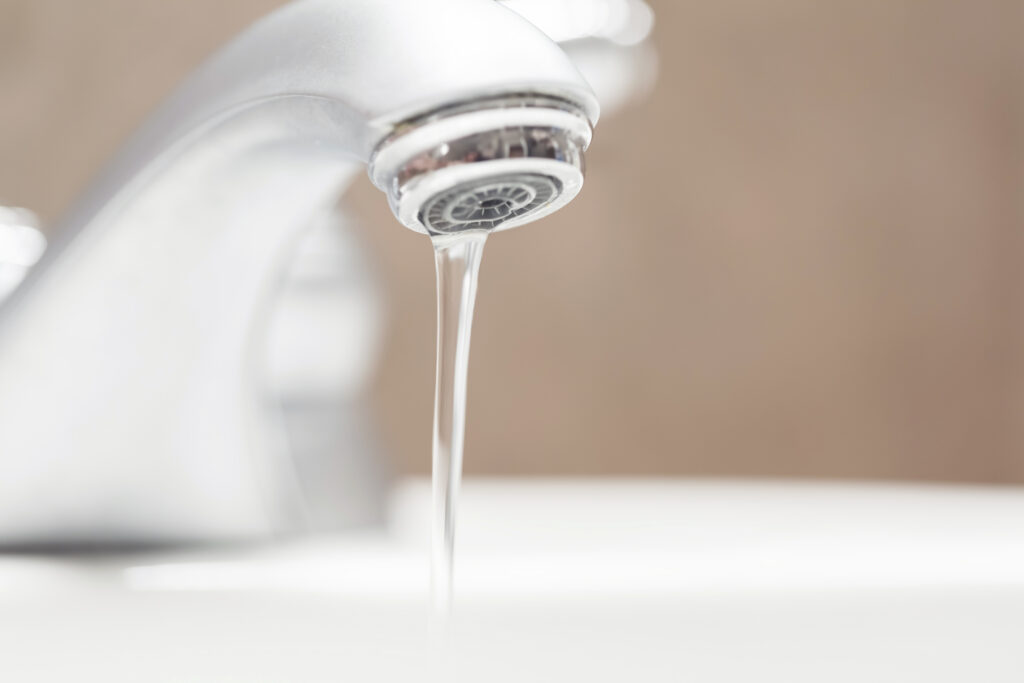
Falling water pressure is one of the most reliable signs your pipes are corroding from the inside, because corrosion physically shrinks the opening the water flows through. Inside galvanized steel pipe, rust does not simply thin the wall; it builds outward into the flow path in rough layers that plumbers call tuberculation. A three quarter inch supply line can lose more than half of its usable diameter to that buildup while looking completely intact from the outside. Homeowners describe the result as a shower that has gotten weak, a hose bib that barely fills a bucket, or a kitchen faucet that slows to a trickle when someone flushes a toilet. The decline happens across years, so it registers as an annoyance rather than a symptom. A pressure test at the hose bib gives a number, but comparing flow at fixtures near the main to flow at fixtures farthest away tells the real story. When the far end of the house suffers and the near end does not, restricted piping is the usual culprit.
Hot water pressure that is noticeably worse than cold water pressure deserves particular attention in homes across Hesperia, Victorville, and Apple Valley. Heat accelerates every corrosion reaction inside a pipe, so hot lines commonly degrade faster than the cold lines running right beside them. A shower that delivers strong cold water and weak hot water is pointing directly at the hot side of the system. The water heater itself may also be part of the problem, since a tank full of sediment and a depleted anode rod feeds corrosion products into every hot line in the house. Checking the heater is a reasonable first step before assuming the piping has failed. A plumber can drain a sample from the tank and tell a great deal from what comes out. Want to know what shape your water heater is actually in? Click here for our water heater inspection service.
Pressure problems that move around the house can be confusing, and they often lead people to the wrong conclusion. Corrosion is rarely uniform, so one branch line may be nearly closed off while another stays reasonably open. That is why the guest bathroom can feel fine while the master shower feels dead. Some homeowners install a booster pump to compensate, which raises pressure against pipe walls that are already thin and invites leaks. Others adjust the pressure regulator upward for the same reason and get the same result. Higher pressure inside a corroded pipe increases the odds of a sudden failure rather than a slow one. The correct response is diagnosing the restricted sections, not forcing more water through pipes that can no longer handle it.
Taste And Odor Signs Your Pipes Are Corroding From The Inside
A metallic taste in tap water is a direct sign your pipes are corroding from the inside, and it is one that people notice most clearly in drinking water and coffee. Dissolved iron and copper both change the flavor of water at concentrations far below anything visible to the eye. The taste is usually sharpest at the cold kitchen tap first thing in the morning, for the same reason discoloration is worst then. A penny like or blood like flavor generally suggests copper, while a duller rusty flavor suggests iron from steel piping. Guests often notice it before the household does, since the family has grown accustomed to it. Running the tap for thirty seconds and tasting again gives a useful comparison. A large difference between the first draw and the flushed draw points squarely at the supply piping.
Odor changes are trickier, because several plumbing problems produce smells and they do not all mean the same thing. A rotten egg smell coming only from hot water typically involves reactions between the anode rod, the tank, and sulfur bacteria rather than pipe corrosion. A musty or earthy smell at a specific fixture may indicate a dry trap or a drain issue instead. An odor that follows the water throughout the house and comes with a metallic taste is far more likely to be tied to the supply lines. Sorting these apart is exactly the kind of thing a plumber does with a few targeted tests. Guessing wrong means replacing the wrong component and living with the problem. If a smell in the house has you stumped, click here for our plumbing odor detection service.
Water chemistry testing turns these impressions into hard numbers, and it is worth doing before spending money on repairs. A simple test measures pH, hardness, total dissolved solids, iron, and copper, and each of those tells part of the story. Water with low pH acts aggressively on copper and dissolves it into solution. Water heavy in dissolved solids and chlorides increases conductivity and speeds galvanic reactions where dissimilar metals meet. Iron readings that climb the longer water sits in the pipes prove that the pipes themselves are the source rather than the supply. Homes on private wells around Phelan and Pinon Hills see a wider range of results than homes on municipal water, so testing matters even more out here. Treatment that corrects aggressive water protects new piping from repeating the same failure.
What Causes Pipes To Corrode From The Inside In The High Desert
Interior pipe corrosion is a chemistry problem before it is a plumbing problem, and local conditions drive most of it. Water in the High Desert tends to be hard, mineral heavy, and high in dissolved solids, and it travels through homes built across many different decades and material standards. Add heat, high household demand through long summers, and the mix of metals used in remodels over the years, and you get an environment that works steadily against pipe walls. Different piping materials fail in different ways, which matters because the repair strategy depends on the material. Galvanized steel closes up with rust from the inside out. Copper develops pinhole leaks from localized pitting. Knowing which one you have narrows the diagnosis immediately and saves time on the repair.
Hard Water And Minerals That Cause Pipes To Corrode From The Inside
Hard water carries dissolved calcium and magnesium, and those minerals leave scale on every surface the water touches. Scale by itself is not corrosion, but it sets the stage for it in several ways that matter over time. Deposits build unevenly inside the pipe and create pockets where water sits still against the metal, and stagnant contact points corrode faster than surfaces with steady flow across them. Scale also traps debris and bacteria, and both contribute to localized attack on the pipe wall underneath. In water heaters, scale settles to the bottom of the tank, insulates the burner surface, and forces the unit to run hotter and longer than it should. That extra heat then accelerates corrosion in every hot water line leaving the tank. Homeowners in Adelanto, Helendale, and Lucerne Valley deal with this cycle constantly because the mineral load out here is genuinely high.
Total dissolved solids and chloride content do more damage than hardness alone, and they are the numbers most homeowners have never seen. Dissolved solids make water more electrically conductive, and conductivity is what allows galvanic corrosion to proceed at joints where copper meets steel. Chlorides attack the protective oxide film that forms on the inside of copper pipe and keeps the metal stable. Once that film is broken in a small spot, corrosion concentrates there and eats a pit straight through the wall. Water with unbalanced pH pushes the same process along, since both acidic and strongly alkaline water disrupt that protective layer. Well water that has never been tested can sit far outside the ideal range without anyone realizing it. Correcting the water chemistry is the only way to stop new piping from following the old piping into failure.
Treating the water addresses the root cause rather than the symptom, and it protects a substantial investment in the plumbing system. A properly sized system reduces scale, balances pH, and cuts the mineral load that drives interior corrosion. That extends the working life of pipes, water heaters, faucet cartridges, valves, and appliances all at once. It also improves how the water tastes and how it performs for laundry and cleaning, which homeowners notice right away. Sizing matters, since a unit too small for the household demand simply gets overwhelmed and a unit too large wastes money. A plumber who understands local water conditions can match the system to the actual test results. Want water that is easier on your pipes and your appliances? Click here for our water filtration systems.
Old Galvanized Steel Pipes That Corrode From The Inside
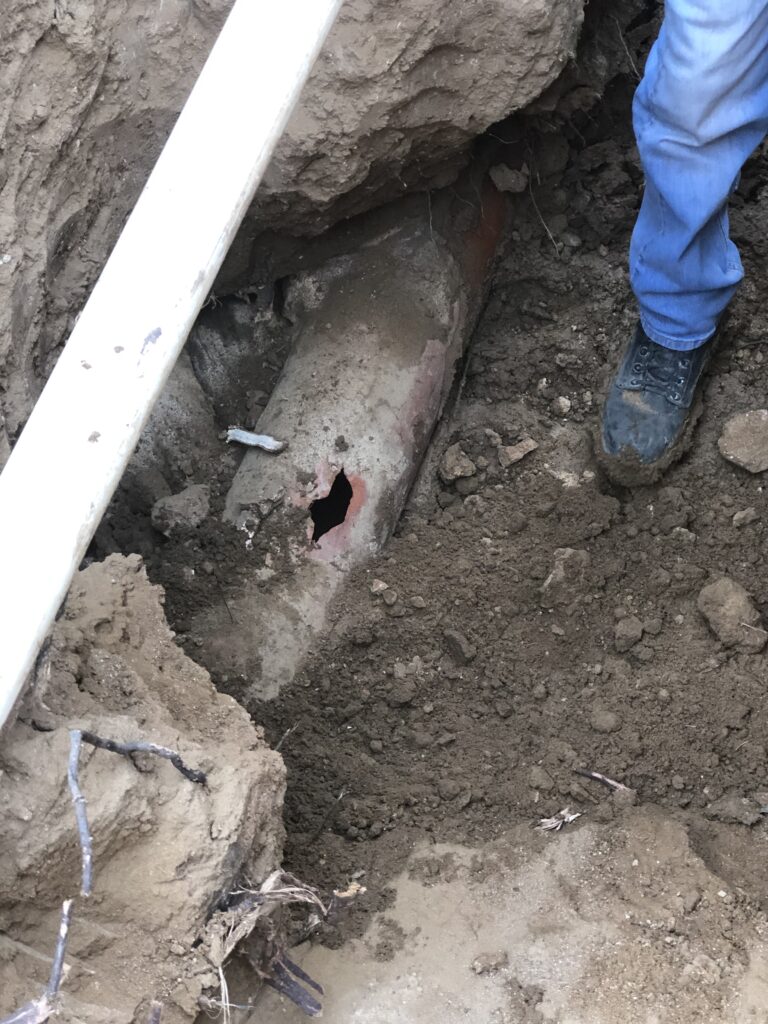
Galvanized steel was the standard residential supply material for decades, and a great many older homes in the region still have it buried in the walls. The pipe is steel coated with a layer of zinc, and that zinc coating is the only thing standing between the water and bare iron. Zinc sacrifices itself over time, dissolving slowly into the water until the coating thins and the steel underneath is exposed. Once water reaches bare steel, rust forms, and rust occupies far more volume than the metal it came from. The result is a rough, expanding interior that both narrows the flow path and weakens the wall. Galvanized pipe generally provides somewhere between forty and seventy years of service depending on water conditions, and much of the housing stock out here has passed that mark. The failure is not a maintenance issue at that point; it is the end of the material’s working life.
Homes that mix galvanized steel with copper face a second problem layered on top of the first. When two different metals are joined and water conducts between them, the more reactive metal corrodes faster in what is called galvanic corrosion. Steel connected directly to copper corrodes aggressively right at the joint, and that reaction concentrates damage in a small area. A dielectric union installed between the two metals interrupts the electrical path and prevents the reaction. Many remodels done over the years skipped that fitting entirely, either from cost cutting or from simply not knowing. The result is a house full of hidden failure points at every transition between old pipe and new. A plumber can identify those connections during an inspection and correct them before they leak.
Spot repairs on galvanized systems tend to disappoint homeowners, and it is worth understanding why before spending money. Replacing one failed section with new pipe restores full flow to that short run only, and the corroded sections upstream and downstream stay exactly as restricted as they were. Restoring full pressure at one point in an otherwise clogged system can also dislodge accumulated rust and push it downstream into fixtures and valves. Many homeowners find that fixing one leak is followed by two more within the year, because the whole system reached the end of its life at roughly the same time. Cutting into brittle old pipe frequently damages the sections next to it as well. At a certain point the repeated repair bills exceed the cost of doing the job once and doing it completely. That calculation is why full replacement is the standard recommendation for badly corroded galvanized systems.
Copper Pipe Pitting That Causes Pipes To Corrode From The Inside
Copper is a durable piping material with a long service life, but it fails in a specific and frustrating way when conditions are wrong. Instead of thinning evenly, copper develops pitting corrosion, where attack concentrates in tiny spots and drills straight through an otherwise healthy wall. The result is the pinhole leak, a spray of water from a pipe that looks perfectly good everywhere else along its length. Aggressive water chemistry is the most common driver, particularly water with low pH or high chloride content. Once one pinhole appears in a home, others frequently follow in the same era of piping, since the whole system shares the same water and the same age. Homeowners often patch the first one and are genuinely surprised when a second shows up in a different room months later. Treating those leaks as isolated accidents leads to a long and expensive run of repairs.
Water velocity causes a related failure known as erosion corrosion, and it shows up in predictable places. Water moving too fast scours the protective film off the inside of the pipe, particularly at elbows, tees, and any point where flow direction changes sharply. Undersized piping forces higher velocity to deliver the same volume, which is why an improperly sized repipe can fail years earlier than it should. Hot water recirculation systems running continuously push water through the same loop around the clock and wear the interior surfaces of that loop steadily. Setting a recirculation pump on a timer or a thermostat reduces the running hours substantially. Keeping water heater temperature at a reasonable setting also slows the reaction, since hotter water corrodes copper faster. These are adjustments a plumber can make in a single visit that add years to a copper system.
Physical clues on the outside of copper pipe reveal what is happening on the inside, and they are easy to check where pipes are visible. Green or blue crusting at a joint or along a run means copper is dissolving and depositing where water has escaped, even in amounts too small to drip. White chalky buildup at a fitting indicates a slow weep that evaporates as fast as it emerges. Dark stains on the wood or drywall beneath a pipe show a history of moisture that may not be active at the moment of inspection. Check the water heater connections, the shutoff valves under sinks, and any accessible piping in the garage or crawl space. Photograph anything questionable so changes over the following months are easy to track. Catching a weeping joint before it becomes an open leak is the difference between a small repair and a major water damage claim.
Why You Need A Plumber To Inspect Pipes Corroding From The Inside
Interior pipe corrosion is invisible by definition, and that is the entire reason a professional inspection is worth the appointment. A licensed plumber reads the combination of water quality, pressure readings, pipe material, age, and visible condition and turns it into a clear picture of what is happening behind the walls. That assessment tells you what needs attention now, what can wait, and what the realistic timeline looks like for the rest of the system. It also protects you from spending money on the wrong repair, which happens constantly when problems get diagnosed by guesswork. Corroded pipes fail suddenly when they fail, and a burst supply line inside a wall can do tens of thousands of dollars of damage in a single afternoon. Knowing the condition of your plumbing puts the decision on your schedule rather than the pipe’s.
What A Plumber Checks When Pipes Are Corroding From The Inside
A thorough inspection starts with the incoming water and works through the house from there. The plumber measures static pressure, checks the pressure regulator, and tests flow at fixtures near and far from the main to map any restrictions. Water samples get evaluated for the factors that drive corrosion, including pH, hardness, dissolved solids, and metal content. Every accessible section of pipe gets a visual review for staining, crusting, weeping joints, and dissimilar metal connections without proper fittings. The water heater gets checked for sediment, anode rod condition, and connection quality, since it sits at the center of the hot water system.
Documenting the pipe materials throughout the house is a critical part of the process, because many homes contain three or four different materials from different eras. A house might have galvanized steel from original construction, copper from a kitchen remodel, and PEX from a bathroom addition, all connected together. Each material has its own service life and its own failure pattern, and the transitions between them are the highest risk points. Identifying what is where lets the plumber prioritize repairs sensibly instead of replacing whatever is easiest to reach. It also gives you an accurate answer when you plan a remodel or list the home for sale.
Camera inspection extends the same diagnostic approach to drain and sewer lines, which corrode on their own schedule. Cast iron drain piping in older homes scales and flakes from the inside until sections collapse or channel. A camera shows exactly what condition that piping is in and where the trouble spots sit. Combining supply line assessment with drain line assessment gives a complete view of the plumbing system rather than half of it. Want to see what is actually going on inside your sewer line? Click here for our sewer line inspection service.
Repair And Repiping Options When Pipes Are Corroding From The Inside
Not every corroded pipe requires replacing the entire system, and an honest plumber will tell you which situation you are in. Isolated pinhole leaks in copper that is otherwise in good shape are reasonable candidates for targeted repair. A single failed branch line in a system that tests well elsewhere can be replaced on its own. The picture changes when corrosion appears in multiple locations, pressure has dropped across the whole house, or the piping material has reached the end of its expected life. At that point repeated repairs become a slow and expensive path to the same destination.
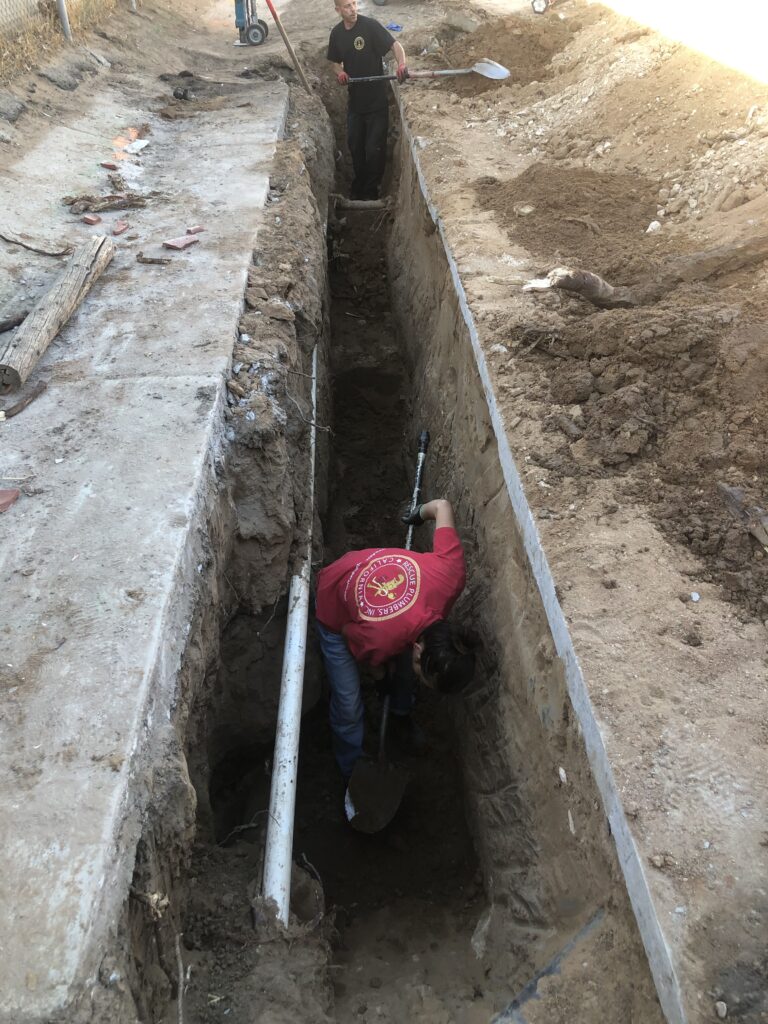
Full repiping replaces the supply lines throughout the home with modern material sized correctly for the fixture count and demand. Copper and PEX both perform well when installed properly, and each has advantages depending on the layout, the water chemistry, and the budget. The work is far less disruptive than most homeowners expect, since skilled routing minimizes wall openings and the job typically finishes within a few days. What you get is full pressure at every fixture, clean water at every tap, and a system that will not surprise you with a burst line. Home value and insurance considerations both improve as well.
Timing the work makes a meaningful difference in how the project goes. Handling a repipe on a planned schedule means you choose the dates, prepare the house, and control the cost. Handling it after a pipe fails inside a wall means emergency service, water extraction, drywall repair, flooring replacement, and a great deal of disruption. The pipe does not care which path you choose, but your budget certainly does. Ready to stop patching and solve the problem completely? Click here for our repiping service.
Why Choose Rescue Plumbers Inc When Your Pipes Are Corroding From The Inside
Rescue Plumbers Inc has served the High Desert for fifteen years, and our technicians know local water conditions from direct experience rather than from a manual. We are family owned and operated, licensed and insured, and we work on a non commission basis. That last detail matters more than anything else on this list, because our technicians earn nothing extra for selling you a repipe you do not need. When we tell you the system has years left, that is the honest assessment. When we tell you it is time to replace, that is the honest assessment too.
Our estimates are free and carry no obligation, so getting a professional opinion on your plumbing costs you nothing but the appointment time. We explain what we find in plain language, show you the evidence, and lay out your options with real numbers attached. You will talk to an actual person who lives and works in this community, not a call center reading from a script. Truly local service means we know the neighborhoods in Phelan, Pinon Hills, Oak Hills, Wrightwood, Hesperia, Victorville, Apple Valley, and the surrounding communities. It also means we are nearby when something goes wrong.
Reach us at (760) 241-3100 or send a message to fixit@rescueplumbersinc.com to schedule an inspection. Our shop is located at 6083 Lindero Rd in Phelan, CA 92371, and we cover the full High Desert service area. Rust colored water, weak pressure, and metallic taste all deserve a professional look before they turn into water damage. The inspection is straightforward, the answers are clear, and the decision stays yours. Call today and find out what condition your pipes are actually in.